I had followed Alyson Greenfield for a few years now, and I’ve always known her as an experimental musician, combining instruments like the synthesizers, glockenspiel, piano, jazzy vocals and the occasional rap. As I get to know Alyson more, further Music Historian – which now welcomes many different artists from all corners of the country – and study the music consumer in greater depth, I realize that Alyson’s music might be a favorite among lovers of surrealist music.
Last Thursday, at the Cameo Gallery in Brooklyn, Alyson gave her fans and closest followers a celebration that marked the completion of one long journey for this artist – the premiere of her music video for “Uncharted Places.” Known for creating dreamy sounds within her chords, the theme of ‘dream’ is strongly reflected in this music video. In this short film, she falls into bed and wakes up in another dimension with wings strapped to her arms. Joining her in the video is the beatboxer who also recorded this song with Alyson, Shane Maux.
Alyson takes to the sky, time traveling across her own journey. She stumbles upon an event in which she is sailing on a pirate ship with Shane. Below the deck, the two dance to Shane’s beats while Alyson gracefully supports a vintage lantern within her hand, like the one that is found in the hands of Rider-Waite’s tarot card, The Hermit. The journey ends with an accident, and our video heroine sinks to the bottom of the ocean, but all is not lost, and there is certainly no room for sadness. Viewers are reminded that this journey is a dream, especially when our lovely lady is carried to shore and crawls up the beach to what is a beautiful billowy bed. Our beatbox hero survives as well, just in a different dimension. The two might have not begun their journey together, nor ended it as she prepared to exit her dream and wake up to the real world, but the viewer will be left feeling the hero will join the dreamer on their next adventure, whenever it comes along.
Alyson describes “Uncharted Places” as a song about the continuity of life– that no life, dream, idea or human being, ever really cease to exist. In the chorus, she sings You open my mind to uncharted places/ and I know, in the end/ the only thing that matters is your friends/ and I know in the end, the body won’t matter at all/ and I know, in the end/ we’ll just return back to where we began (this line repeats three times). Just like the song, the music video incorporates a few themes, including returning and transcendence. I find the theme about coming back to certain moments, or having certain moments return to you, also appears in her music and composition.
Aside from premiering a music video, Alyson also performed some new original music with Shane, and fellow musicians Nate Morgan and Interroben. The multi-instrumentalist will always have a synthesizer and digitized music play alongside her in all of her tracks, but rarely will Alyson play every instrument she knows in one song. Throughout her 1-hour set, she rapped with Shane in a song called “Build it Up,” a song inspired by the residential development she sees in her own neighborhood. Alyson then went to the glockenspiel for the song, “Dance Myself.”
This slideshow requires JavaScript.
The one song that stood out to me was the song “Lust,” which had that same dreamy synth feel, but with more of a staccato dance rhythm and melody with more accidentals that made for an intriguing addition to Alyson’s typical repertoire. “Uncharted Places” might remind us that the physical realm is more ephemeral and less ethereal than we typically believe, but “Lust” dares listeners to take comfort within the excitedly spooky idea that Alyson directly communicated to her audience that night – “underneath our skin and bodies, we are all just skeletons.”
Like her music video directed by David Franklin, Alyson has a penchant for taking listeners, and lovers of surrealist music, to new territory, whether they help us rise above the clouds, bring us below the earth or on the earth’s surface to the rising residential blocks of East Bushwick in New York City. Alyson shows us there is so much to explore in her music – some of these explorations might be short, and some will span over a longer time. Wherever and whenever one journey ends, another one begins, and the music video for “Uncharted Places” reminds us of these transitions.
When I touched base with Stephanie Gunther, the vocalist and bassist from the Garage Rock Band, Desert Sharks, I felt excited to talk with a rock ‘n’ roll band that puts so much vulnerability into their songs. “Tequila Shark” was the track that attracted me to this Brooklyn-based all-women group, with a grimy bass line, and tinny sounding guitar which seems to echo, creating a space within the music for Stephanie’s beautiful alto voice. In the second verse, she sings the lyrics, I had a dream/ we had just met/ you showed me through your hallways/ and asked me would I stay. Fast forward to the chorus she sings It’s all mine/ your love’s in my mind, and then these lyrics repeats one more time.
When I asked her about the lyrics, Stephanie said, “I was exploring how we can go to such depths of dreaming up scenarios in our mind about someone we pine over. You can have all these fantasies of what it would be like to be together, how every detail would go down, where you would go, how you would interact, how much in love you would be.
“You can literally picture it and sometimes start to feel the emotions as if it were real, like you are having this secret mental affair with someone and they have no clue. I wrote, “Tequila Shark” about two dreams I had about two separate people, and that went along with those ideas.”
The most attractive aspect about the lyrics involved the vulnerability and honesty of the storyteller. In addition, there is very little mystery and interpretation of the meaning. Desert Sharks will remind rock enthusiasts that female bands continue to push past the gender stereotypes, and can do so with grace, and create opportunities for themselves independently in hopes to get recognized by a label. All of these are reasons for players in the music industry to pay attention to this group who were also in the Artists on the Verge class of 2014 at the New Music Seminar. It is my pleasure to feature Desert Sharks on Music Historian.
Stephanie says that when the band first started, people immediately doubted Desert Sharks.
“We’d get comments from people who first saw us on stage that they didn’t expect us to be any good, due to being female. Then, they’d say we blew them away. Now, it’s less about gender and more about our set, who we reminded them of and how they felt during our show. We’ve met some really awesome and supportive people at our shows. That’s one of the best parts about playing,” says Stephanie.
While some stereotypes are easy to disprove, including the one that says women can’t play instruments, women still have to work perhaps twice as hard as a man to make it in the business. Luckily, Desert Sharks don’t let challenges slow them down. Instead, they look to create opportunities to help them get closer to their ultimate goals – making a living with music.
“We’d love to work with someone on a full-length. The biggest task is getting heard. Our focus is on writing, playing shows, recording and touring,” explains Stephanie.
At the moment, Desert Sharks have an EP and vinyl they released in early 2013 which was recorded at Converse Rubber Tracks Studio, post-produced by Adam Reich, and pressed through Double Dare Ya Records, titled Sister Cousins. Just a few weeks ago, they released their 2014 EP on Manimal Records, Template Hair – an occasion that was marked with a show at Shea Stadium in late June. The promotion for their latest record will continue with a tour in August. Sister Cousins vinyl and Template Hair cassettes are available for purchase on Desert Sharks’ bandcamp.
In the short time they have been together (since 2011), Desert Sharks have played with bands they look up to, recorded and worked with a few labels, and toured. This four-piece group continuously set their sights on greater projects like working on a full-length with somebody in the future, touring out to the Midwest, where Stephanie is from, and getting signed. In order to reach these benchmarks, the group continues to dedicate their time to as Stephanie would say “making our music better and better.”
“We’re constantly writing new material and are anxious to get it recorded and out there for people to hear,” Stephanie adds.
Like I learned at the New Music Seminar in the panel The A&R Movement: Where is Music Headed? good music rises and makes its way to several listeners and to A&R representatives. I also learned that there is an opportunity for guitar-driven genres to make a comeback as well, which presents an opportunity for Desert Sharks. Songs like “Tequila Shark” can act like one of the Desert Sharks’ strong songs.
Aside from the fact that garage rock – according to Stephanie – can be “sexy, heavy, sweet or dancy,” “Tequila Shark” has an impressive compositional structure of A, B, A, B, C, as opposed to A, A,’ B or A, B. In my opinion, the more varied the sections within the song, the more interesting and exciting the track is to the listener. In addition, the lyrical content, which is straightforward and honest, lingers somewhere between vulnerable and impermeable. I asked Stephanie whether the realistic scenarios behind these lyrics focused on past romantic relationships, friendships, struggles or anything else.
“I’d say yes to all of those things,” begins Stephanie. “A lot of it is from my own life experiences, some of it, like our newest single “crazycrazy” is from someone else’s point of view put into my own words.
“When we start writing a song, I’m never quite sure what I’m going to write. I write at home a lot and put notes in my phone of phrases that pop into my head. Once we put together a song musically, I start to actually feel out the vibe. [I ask] ‘Does this song sound happy to me, does it sound sad?’ The hardest step for me usually is deciding the subject matter. Once I know what I want to write about, I can shape the words to fit the melody.”
While Stephanie loves Garage Rock, and agrees that this style influences Desert Sharks’ music, she admits that describing the group’s style of music is never easy.
“Garage and surf [rock] definitely influence our music, but I’d say we’re also heavily influenced by metal, punk, goth, pop, and more. Describing your style of music is the worst thing ever, especially when every band is a mishmash of influences. You end up [saying something] like, ‘Oh, we’re like The Ramones meets Dolly Parton meets Sabbath meets the Spice Girls.’ People get hung up on trying to label it and it gets hard to navigate. You want to say ‘just listen and see for yourself.’ Choose your own adventure and draw your own conclusions. It’s all rock ‘n’ roll in the end.”
An additional challenge to being in a rock band is making decisions with a group. The ladies within Desert Sharks “all share strong opinions,” says Stephanie.
“It usually takes a long time to come to a decision. Figuring out a [band] name was no easy task. We wrote “Tequila Shark,” and afterwards, some of us said ‘that’s a cool name, should we just call the band that?’ Desert had been a word on a list of words we dug, so we stuck desert and sharks together. It was the first name we came up with that we all didn’t hate.”
Since 2011, this band has built an excellent resume. The greatest strength they have developed as a group is their willingness to be flexible while they maintain strong attitudes. Their talent for writing a lot, and having a wide selection of songs is also beneficial for any A&R representative looking to sign a female Garage Rock group. From starting off with a Craigslist ad and arriving at Shea Stadium, Desert Sharks have made a healthy journey.
“We met through Craigslist,” recalled Stephanie. “The stars were aligned for that one. Rebecca [Rose, the drummer], Sunny [Veniero, the guitarist] and I met up initially with another girl and wrote a song together. We were sort of just jamming and playing around with ideas.
“The other girl had prior commitments to another band, so she left. We put out an ad, and Stefania [Rovera, the additional guitarist] answered. It was the missing puzzle piece. Once she joined we started writing a ton and felt like we wanted to start playing shows.”
There are plenty of rock ‘n’ roll listeners out there who want to hear this type of music and Desert Sharks might be at the right place in time to get recognized. People still line up to see independent Garage Rock bands in the United States. As for guitar-driven music, based on what I listened to at the New Music Seminar and what I saw at the Governors Ball Music Festival, there still exists an audience for The Strokes and Jack White.
Regarding my final question for Stephanie, I wanted to know what she thought of the motto “Rock is Dead.” She explained in two words “rock ‘n’ roll reincarnation.” Based on my interpretation, this means rock ‘n’ roll is alive and well, just in another form.
Female bands continue to make a comeback in rock ‘n’ roll, and like the Desert Sharks, they dedicate their time to writing songs, making records and performing in both small and large venues. These sharks are coming up to the surface with their hook-drenched tunes and ready to enter new territory – the wild music industry. The greatest strength of this group is their ability to carry listeners within the strong currents of their 2-3 minute tracks, a talent which – based on my listening experience – has been difficult to replicate on today’s music scene.
Behind the full-bodied and slightly sweet vocals of Southern Rock singer-songwriter, Kim Logan, is a fiery woman who know what she wants and what she is about. Lyrics like I’m a real good catch and I know it… from “Voodoo Man,” And I’ll give you three, but no more, turns across the floor/ But then it’s your turn, boy you better learn to be a gentleman, from the chorus within “Gentleman,” and finally, I ain’t someone’s other half/ I don’t like you baby, but I’m like you baby/ I think I love you but I don’t know if I should/ because there’s already one of me in the neighborhood from the song titled “Neighborhood,” which you won’t find on her first full-length record, but on the landing page of Kim’s website, will get the message across to any listener.
Although she recently turned 23, Kim has had a long road of musical development and plenty of real-life experiences which she transforms into great songs. In addition, she has an attitude about music today that matches the female empowered persona portrayed in her tracks.
“In the music industry today… It takes at least twice the work for a woman to accomplish half as much as a man. I really want to break that ceiling, and someone who has inspired me with lyrics, statements and actions has been Lady Gaga. What really disturbs me is Classic Rock and Southern Rock does not have somebody like that,” says the young musician. “I want to be the new millennium woman, the Lady Gaga of southern music, telling women and all creative spirits that it [the music industry] doesn’t have to be gender divided anymore.”
I agree with Kim on the subject of women in the industry. Daylle Deanna Schwartz, New York City’s first white female rapper will tell you that in the ‘80’s, women used their bodies to get ahead in the industry. Look back at the history of the American industry in your own personal time, and you will see women were only given two masks to wear – the emotional exhibitionist who was a sex object, or the unsentimental, bitter and passive-aggressive woman. Both of these facades are one-dimensional and superficial and sadly, female musicians are still expected to put on these faces today.
On a brighter note, there are female artists in country music that did not play either of these roles during the pinnacle of their careers, and led and continue to lead by a more positive example. One woman that comes to mind is Dolly Parton. I asked Kim about her thoughts on this, and while she agrees Ms. Parton continues to positively speak up for women’s and gay rights, her prominent years were the 60’s, 70’s and 80’s. The Southern Rock scene needs a fresh young face, and Kim hopes to be one of those new faces.
Yes, Kim is a very ambitious young woman. So I listen to her story of how she got into the industry, the positive experiences she had along the way, and what she wishes to make of them. In doing so, I begin to understand what fuels this passionate musician’s ambition, and why she chooses Southern and Classic Rock to tell her stories to the public. I am happy to welcome Kim to Music Historian.
Kim credits her mother and father for their support in her long road to becoming a singer songwriter.
“I always wanted to sing and my Mom worked in pubic relations and events for some really amazing people in the 90’s like singer songwriter Charlie Daniels, Southern Rock bands [like] Molly Hatchet and the Marshall Tucker band.
“I developed a special bond with Doug Gray, the guitarist from the Marshall Tucker band, and when I was about 9 years old, I was talking to him during one event weekend and he said I should go out on stage with Charlie Daniels at the end of the show and sing with him during a jam. Doug and Charlie jammed together after the show.
“I believe we sang “Amazing Grace” and Doug kicked my ass out on stage. Singing with Charlie and Doug is when I got the [rock ‘n’ roll] bug. I went to my Dad and told him I wanted to sing professionally, and I think my Mom had already realized that. My parents said “you’re going to do it right,” so they put me in classical and vocal training and the opera program in Sarasota, Florida for about a decade. This started when I was turning 9, and I did this all through high school.”
During this time, Kim also picked up the guitar. Her motivation was to accompany herself in her singing and songwriting.
“My parents got me a guitar and my father told me I wasn’t allowed to play electric guitar until I made my fingers bleed on my acoustic guitar, which he was right about,” says Kim. “I don’t know where I would be without a guitar in writing. I can’t do without it in the writing process, I want to have control over the writing process.”
Throughout high school, Kim also participated in additional musical activities such as playing in punk bands, party bands, blues and classic rock bands. Whether it was opera or songwriting, she was always singing.
Kim’s strong classical education helped her get into the Berklee College of Music in Boston for vocal performance. However, her desire to play honky tonk and rock ‘n’ roll made it difficult for the young artist blend into the Boston music scene.
“I think, at the turn of the millennium, everybody just got so crazy with music technology and music school, and students at Berklee had all of this new equipment available to them, they were held up in their dorm rooms tracking themselves and playing shows for other students,” expresses Kim. “It was also that weird blog [phase] that happened at the same time… and for the first 10 years of the new millennium, I think everyone was a little too innovative and saturated with music technology to get out to a show and plug their amplifiers into a wall and play. I wanted to play, not sit in a classroom anymore.”
So, the artist moved to Nashville to perform, record and tour. “Nashville is very centralized,” she explains. “I have been able to hit the entire deep south, including Texas, and then come back up to New England, and Chicago. I very briefly studied at Belmont, but that was more of an afterthought because my schedule for years has not been conducive to a classroom environment.”
Thankfully, Berklee College reached out to Kim while she was pursuing her career and Nashville, and she is now completing her music degree online. She hopes to obtain her degree from Berklee soon. Although Kim has been in and out of school, she never stopped educating herself in the history of American genres. Through self-education, she learned to appreciate some of her songwriting heroes and favorite musical styles. She explains:
“It really comes down to the fact that I am obsessed with Music History. Before I was in college, I sought to learn the history of the genres in contemporary music myself. I would just dive into everything from the 1860’s civil war tunes to jazz and the blues.
“What really lit my fire was the father and son team of John and Alan Lomax, who went to the Appalachians and the deep southern terrains and did their field recordings. When I learned about that, and the Great Depression, and where everything after that comes from, it helped me understand the songs of Jack White and heroes of mine who, have also gone back and learned the same things. I felt like I was going back and strutting the same path, learning the same things in order to create my own contributions.
“My potpourri of different stylistic attempts comes from a deep love of other genres of music and re-creation of southern and grace, and different types of music. This lets me stretch my muscles in songwriting and vocal performance. That’s sort of my life’s work there.”
Pick up Kim’s self-titled debut and you will hear how she flexes her songwriting muscles. “Black Magic Boy,” a Southern Rock song with a grimy tin-like effect in the guitar will leave you feeling like you transcended into a barroom in a southern part of the U.S., perhaps New Orleans. Listen to “Devil Makes Three” and the pitch bending produced by the steel-peddle and the major melody within the tune makes one feel like they are driving through a small sunny town in the Midwest. Then, there is the blues-infused track “Gentleman” which includes soulful vocals that back-up Kim in the chorus.
Aside from her style of writing, Kim continues to display her love for music history in the Vinyl production of her debut record. I asked what attracted her to recording with analog equipment, as opposed to staying strictly with digital.
“It is a science that non-compressed music and sounds, which have not been diluted digitally, are much warmer, more open and richer,” explains Kim. “I recorded the album at a converted church, and I pressed the record at United.
“I am passionate about vinyl records, no matter who represents me or what management I am under. We want that instant gratification and that quick satisfaction of logging onto Spotify and hearing something from somebody’s iPhone or their party. When you are at a live show though, you are listening to real live music, and you want to take home a vinyl of that record so that you can listen to it and understand the artist’s brain, and why they felt it was necessary to create that thing.
“It’s plain and simple, but that is the best method of listening to what a musician has to convey and say.
“I do think analog and digital can go hand-in-hand, they both can be complementary.”
I remember reading articles in Brooklyn-based publications, like Brooklyn Magazine and I heard that the vinyl is making a comeback in some music communities. I thought back to when I had researched Kim Logan before I contacted her for an interview. Specifically, I recall feeling surprised when I learned about some of the other artists on the Artists on the Verge roster for the New Music Seminar, who also make Southern Rock music – The Blackfoot Gypsies, Jamestown Revival, and Carolina Story. I thought to myself ‘something is happening within the Southern and Classic Rock community somewhere in this country that is getting industry players here in New York City excited.’ In regards to Kim, I wanted to know what made her passionate about classic rock, and the other form of classical music that attracts her, opera.
“It really is the timelessness in a piece of artwork. Each movement, whether it was classical, romantic or experimental in opera, were associated with distinct feelings. It was both a genre and community.
“I feel that way about classic rock and I feel that way about the blues, classic country, and the new wave of classic country that is currently happening. You have a community of artists who are trying to achieve a certain standard while enjoying art as much as possible.”
As I got to know more about Kim, talking with her in the very crowded and active second floor lobby of the New Yorker Hotel, I wondered about her personal observations of the music communities throughout the U.S. What did she think about the scenes throughout the different places she has lived?
“The scenes are going to be completely different in almost every city in America. Everything springs from the ground up. There are very different kinds of people in New Orleans, Atlanta, Nashville and Chicago.
“I think Nashville and Brooklyn have become my favorites. I spent a lot of time in the Boston and Brooklyn scenes trying to connect with some of the bands, who came from indie pop music. There were many blog-driven Pitchfork bands with whom I did not connect. I was happy to take my act to Nashville where I not only played with large bands, but also became a fan of the bands.
“As Americana has taken hold, and as retro recordings make a comeback, like vinyl, it feels good for musicians playing rock ‘n’ roll, country and soul.”
While this young artist works towards greater goals like being a positive role model in the Southern and Classic Rock genres; like every savvy business person, she is always setting little goals along the way. Kim self-produced her debut. At this time, she gets ready to make a second record with producer, Dave Cobb.
“I am excited to work with this guy because I think it will provide the perfect combination for what I want to hear on my record, and what I want everyone else to hear. I am returning to the studio in the late summer and I am aiming for a Fall release.
“I think I am going to tour on it, and start the whole cycle over again. I think I have beaten this last record almost to death, and it’s time to get some new material.”
At the moment, Kim is currently unsigned. If any producers or A&R agents in New York City plan to attend CMJ in October, I encourage you to check out one of Kim’s shows. If you are an industry player in Nashville, watch out. She is playing several shows throughout the summer.
Between her move to Nashville in 2010, and the release of her debut in 2013, and her appearance at the New Music Seminar, so much has changed for Kim, and the development of her career continues.
“I have put out records in March of 2013 after I had gone down to the SXSW Festival and I did not have merchandise nor any recordings, and I scrambled to release this record so that I could take it on the road. Then, I got an article in the Nashville-based Native Magazine, and it all kind of tail-balled in the last year and a half.
“I’ve been on the road, and I have been working my ass off, and the iron happens to be hot. Absolutely everything has changed, and I’ve checked a lot off my list since then. I’m really grateful, and I want to go to as many places as possible and bring the best records there. It will only get busier.”
Music history lit this young artist’s fire. Plugging-in to a performance space with other musicians and making something happen helps feed that passion. Whether listeners are attracted to her country songs, driving rock ‘n’ roll riffs, or blues-infused choruses, they are bound to hear the voice of a woman who delivers stories about her real life experiences through clever lyrics, thoughtfully written compositions, and warmly recorded sounds.
She might be a combination of a music nerd and a young woman who reveres the Southern and Classic Rock legends who were big in the 60’s through the 80’s, and in the early millennium. Regardless, Kim Logan has found her voice within this genre, and she flexes it freely. She comes to the city as much as possible to bring her sound to Southern and Classic Rock lovers here in New York City, Nashville and just about any city she can reach. Kim says, “I want to get people excited about it, and I want people to put money, time and energy into real music, with real instruments.”
If you currently work in the music industry, or aspire to, the New Music Seminar deserves your attention. I had the privilege of being invited by the Workman Group to attend and cover the three-day conference which brought together music and entertainment leaders committed to exploring ways to expand and grow the business.
The New Music Seminar started with a bang with a red carpet and performance at Webster Hall on Sunday, with a line-up which included ASTR, Cardiknox, Mayaeni, Born Cages, and Meg Myers. On Tuesday night, at 11:15 pm at Tammany Hall with a performance by the winner of the Artist on the Verge Awards 2014, VanLadyLove.
This slideshow requires JavaScript.
The three-day conference took place at the New Yorker Hotel in Midtown and occupied two floors with booths that for the following companies, Buzz Angle, GCA Entertainment, Showpitch, Music Times, Corbin Hillman Communications, ASCAP, Noise 4 Good, Steven Hero Productions and more. These firms offer services in royalties, publishing, digital distribution, data mining of online music consumption, music journalism, artistic representation, and artist and repertoire. In addition, the conference rooms on these two floors served as meeting places for panelists and discussions, and mini acoustic showcases with some of the artists selected for the Artists on the Verge Project 2014.
The New Music Seminar conference helps industry leaders and players better understand how consumerism and music is evolving and how they can continue to innovate. In addition, this same conference brings the New Music Seminar Music Festival. Musicians have the chance to perform for a large audience and industry players, and develop valuable partnerships with producers and managers.
While I have five full-length interview articles in the making with these five bands that were invited to the NMS Artists on the Verge Project – Juicebox, The Dirty Gems, Desert Sharks, Kim Logan and the Blackfoot Gypsies – I first want dive into what I learned from A&R representatives, music publishers and the staff of Pitchfork in some of the panels in the past three days. More specifically, I will take you through what label representatives look for in an artist before they invite them onboard, the types of criticisms new singer songwriters typically receive, and the dos and don’ts for publicists who work with musicians.
The A&R Movement: Where music is headed
Let me start backwards. On Tuesday, the last day of the seminar, David Massey, President of Island Records conducted a conversation between nine A&R representatives: Tayla Elitzer (Capitol Records); Alyssa Castiglia (Island Records); Brandon Davis (Atlantic Records); Jon Coombs, General Manager at Secretly Canadian Publishing; Jenna Rubenstein, Creative at Insieme Music Publishing within Glassnote Entertainment; Austin Rice (Columbia Records); Jessica Strassman (Startime International); Patch Culbertson (Republic Records); and Dylan Chenfeld (Razor & Tie). Here are the essentials that musicians and A&R representatives alike should know about music today.
Trends in Music
Panelists emphasized which particular styles currently excite label reps. Electronic, rhythm and blues, and emerging trend of world music, deep house music from the UK are among these genres. In addition, there is a cool cross between electronic and indie, better known as Indietronica. Avicii is one artist who accomplishes this by mixing electronic dance music with bluegrass. Another artist who combines guitar driven music with electronic dance beats is The Chain Gang of 1974, who recently performed at the Governors Ball Music Festival.
On the topic of guitar music, another speaker claimed there has been a significant void in guitar-driven alternative music, providing musicians within this genre to re-emerge. He added that bands like this who entered the scene more than 10 years ago, including The Strokes and Jack White, still drive large performance crowds. The way I see it, there is no reason why someone now cannot come out and do the same. An audience for this music still thankfully exists.
A&R, Musicians and Social Data – What works, and what does not
One of the most important pieces of information an A&R rep must keep in mind is the difference between data and buzz. When researching an artist, data is crucial. One must put their personal taste aside and understand the consumers’ tastes. While start-ups like Buzz Angle, who are currently in their beta-testing phase, record data of online music streaming and purchases; the other type of public data most A&R reps use is Twitter. Retweets of videos, hashtags of performances, and robust discussion about the artist serve as valuable data. Additional social metrics includes plays and followers on Spotify, and views on Youtube.
If you are an artist, please note that an A&R person wants to know you are going to sell records. One of the panelists signed the New York City-based Indie Rock band, Born Cages based on how many times the band’s songs and videos were retweeted. Although he had not seen the band play a single show before signing them, he believed in them. In addition, after speaking to the band in person at the red carpet event, this group claims performing is their favorite part of their career.
In short, social media and staying relevant on the music scene is essential. A&R reps will also tell you that now, more than ever, musicians must create a marketing plan and build a fan base by themselves.
On the other hand, some social media presents a negative. The panelists mentioned a habit of some A&R reps adopt involves aimlessly following buzz about an artist on blogs. The problem with unsigned bands made ‘hot’ within the blogosphere is that these articles don’t help the A&R rep determine whether that band will be promising to sign. I agree with this claim. Unlike twitter, which marketers across the advertising industry have utilized to research the purchase intent of customers, blogging platforms do not provide this data or information about the consumer.
Key Performance Indicators – Play Live and Good Songs
Data has not entirely replaced a good ear for talent. Some of the reps on this panel claimed that a strong instinct about the artist must come before research. This might include the bands that one’s friends talk about. Most importantly, musical ability can be used to judge how well an artist performs live. As a rule of thumb, A&R reps do not think highly of a band that does not often perform.
If you love to play live but perhaps are not them strongest performer, there are ways A&R reps can find you help in establishing an excellent stage presence. In this case, the A&R rep might not sign you right away, but they might start developing a relationship with you, hopefully as partner on your journey. However, several panelists did agree that most of the time, the longer it takes a sign a deal with the artist, the better. There are A&R reps who have attended a musician’s performance 14 times and they regularly keep in touch.
What if you are an artist who loves playing live and plays well, but do not currently have any original music? A&R representatives will tell you, songs lead the way. Good songs have a way of rising to the top. If you don’t have any original songs, they do not feel compelled to bring you on board. Finally, selling singles and full albums still serve as an artist’s main source of revenue. This is one trend that has not changed.
So what has changed in A&R? The availability of information about the artist and their potential as an economically successful artist is now more public than it was 10 years ago. In addition, the competition on the musical landscape today escalates rapidly.
The Take Away
The most valuable advice this panel had to offer to the artist looking to make money with their music is this, always remember the music should be about your fans. Deliver the music your fans love. Thanks to social media, artists now have an excellent way to interact with fans and secure that base that is going to help the musician get attention from an A&R rep, and hopefully get signed.
Now, if you have always been musically inclined, enjoyed performing, but are just starting out as a songwriter, and might be looking to work with a label or music publishing group, keep reading this post. I am going to give you an idea of how it feels to have your music critiqued by A&R people and music publishers in the overview of this next panel.
Music XRAY Presents: A&R Live – Music Critique and Sound Selector Sessions
This panel was conducted by Mike McCready, Co-Founder and CEO of Music Xray. The players included Tayla Elitzer, Jenna Rubenstein, Alyssa Castiglia, Stephanie Karten, A&R from Robbins Entertainment, and Chloe Weise, A&R from RCA Records.
I arrived late to this discussion, but luckily, the guitarist from the Boston-based band The Venetia Fair, Mike Abiuso – who I had met at the opening night at Webster Hall on Sunday night – was able to fill me in on what I missed. He said that earlier in the program, “The critics assumed nobody would want to listen to a demo of a song because it is an unfinished product. When they [the critics] asked the audience however; many listeners said ‘yes,’ they would listen to a demo.”
Michael also explained the process of how this panel would critique music. They would read off the names of some of the Artists on the Verge, class of 2014, and then ask for a CD of their single and play it for the entire room to hear, and then publicly share their criticism. This type of workshop will help singer songwriters and performers in the early stages of their career in the following ways: 1) It will help aspiring musicians build a thick skin towards criticism; 2) This is a great opportunity to receive constructive criticism; and 3) They will learn what record labels search for in an artist who is looking to get signed.
Some of the Songs up for Critique
The first song I took notes on was “Insomniac” by The Dirty Gems. Upon listening to this track, the panelists said, “While the vocals were good and I liked the guitar in the forefront, I don’t see a lot of hit potential. Strengthen the verse a little bit.”
Afterwards, the panelists chose “Call on Me,” a Hip-Hop track by rapper Just So Smooth. The speakers pointed out, “No dynamics, the melody is static. The hook needs to be cleverer, along with lyrics. Also, the phrase “call on me” has been used before.”
The last song review I listened to was about the dance tune “Problem Boy” by Toni Atari. “The production is not great, and the vocals are a little bit muddled,” remarked the panelist. She also suggested the artist develop her lyrical content and the context in this song.
A Critique of the Artists on the Verge Awards 2014 Finalists
Fast forwarding to the final panel of the day The A&R Movement, I thought it was only fair to include the A&R rep’s point of view about the AoV Awards 2014 finalists – Garage Rock group from Philadelphia, June Divided; R&B singer from New York City, Kiah Victoria; and Pop Rock group from Provo, VanLadyLove. Although everyone now knows the winner is VanLadyLove, I wondered who the A&R reps thought would win.
One of the panelists gave Kiah their vote. Another panelist said, “Kiah commands a stage, but she would do well if she focused more on carrying her pre-choruses a little further.”
An A&R rep stated they would sign VanLadyLove. One of the reps then stated this band “has a cool sound and great stage presence.”
As for June Divided, one of the reps claimed he would put this band in the “to be watched” folder. Another panelist positively commented on the band’s energy, but claimed “Their style is a little dated,” and emphasized the group needs to focus on their audience.
The Take Away
All artist starting out on the music scene must listen to criticism in order to improve their chances of getting representation. Luckily, these critics do bring up a few valid points. For example, ask yourself, “Am I trying to be a writer or artist?” This question is important in dance music, a genre for which they suggest the following – “Focus more on sophisticated lyrics. In dance music, the lyrics are not very deep.
“The music also has to deliver the same magnitude as the vocals. This comes along with more songwriting practice.”
Additional advice they provide is this, “Think really well about where your song fits in this time period. A sound from six years ago will not fly now.”
They then offered this last piece of advice, which I found interesting, “There is a lot of risks these days, so you have a better chance with a radio-ready song.” While three of these panelists, Tayla, Jenna and Alyssa, would also agree with those A&R reps from The A&R Movement panel who claim that an artist does not need to be on the radio to be successful; they suggest a radio-ready song just so that a single has the best quality possible. A poor quality recording could turn off the A&R person and prevent them from giving a well-written song a chance.
So far, I have talked about the types of criticisms new artists on the independent music scene will likely receive from industry players. Now, I want to take you to the last segment of this review – advice for publicists working with musicians; the dos and don’ts they should apply to their practices.
Online Media Music Discovery
Jay Frank, Founder and CEO of DigSin served as conductor of this panel, which took place on Monday. The players included Mark Richardson, Editor-in-Chief of Pitchfork; Andrew Flanagan, Writer and Editor of Billboard; Joe Carozza, Senior Vice President of Publicity of Republic Records; and Andy Cohn, President and Publisher of The FADER. The discussions between panelists provide me with advice for what a publicist should do in order to increase coverage about their artist, and what to avoid.
Do Tell a Story to the Industry Player
As a publicist, when you pitch an artist to someone else in the industry, ask yourself what makes the artist different and why that industry player should care about them? The type of story you tell keep the reader interested. Although some artists might want to hold back on the story, encourage them to speak and share.
Don’t Blame Publications for not Creating Enough Attention
The publications tell the artist’s story behind their music. An artist must convince listeners to care about them through music. While I attest the writer has to care first about the artist and the music they create in order to tell a great story; the publicist must be a mover and shaker, the one who helps start a relationship between the writer and musician.
On this note, the writer’s job is to help present a face to a record label, one that shows the artist has potential to stay with a label on a long-term basis.
Do Use Social Media to Create Attention
Publicists should push this, especially since artists today are on the forefront of their social media, and this can be curtailed to create new stories. Focus on how to get people to pay attention to the artist’s social media.
Don’t Rely on a Viral Music Video to Create Attention
Joe says “Many artists come in my office and say, ‘I want to make a video [for my artist] and I want to know how to make it viral.’ This is the wrong mentality. You have to spot an elephant in the room and see how it is different from everything else that is out there.”
In other words, Joe means that publicists must not put so much faith in a music video that will tug at the heart strings of Youtube, Hulu or Google Play users. One of the reasons might be that the music video, like the written article, is a promotional tool; it does not define to the listeners why they should care about that artist. If the music does not stick, neither will the video.
Do look at the writers’ past work before pitching them
Any public relations expert will tell you to research the media outlets that will have the most chance of showing interest in the person, service or product you represented. Would you send a press release of an album launch by an independent hip-hop musician to a magazine that covers strictly classical music? Probably not. On the other hand though, journalists sift through hundreds of press releases every day simply because they don’t feel the story fits with the publication’s brand identity.
Luckily, the agent will not need to examine each media outlet front-to-back and split hairs in order to decide whether or not to pitch the artist to this publication. Instead, they must judge whether the writer really thinks about music based on previous articles they have written. Can the writer generate new ideas about how to present a musician to a producer or record label? The publicist should ask this question.
Don’t think nobody will cover your artist because they are not big
Publications like Pitchfork will not solely cover bands that everyone knows. They recognize there is good music out there, but the artist might have a small audience. If you are publicizing an artist who writes memorable music and writes it well, then chances are someone will want to cover that musician.
Final Thoughts
The panels that I spoke of are the ones I attended. So many more took place at The New Music Seminar, I just couldn’t be present for all of those discussions. During the seminar, I also split my time between scheduling interviews with bands, researching their work for questions, having conversations with them, and traveling to their shows all over the Lower East Side. Indeed, the three-day conference kept me busy, and the experience is worth the effort.
Many believe investigating secondary resources like books, websites, television, newspapers, magazines and additional publications that talk about the evolving music industry is the most convenient way to learn about this business landscape. It is only convenient if you sit down and conduct all of the research. Based on personal experience, studying the most accurate information will take weeks. You can save time to learn about the best practices by attending a conference. The greatest benefit one can gain from the New Music Seminar includes the opportunity to network and mingle with additional industry experts, music entrepreneurs, and build new business relationships within one stop.
Tom Silverman, the Executive Director of the New Music Seminar writes, “It is surprising that something so essential to human happiness can be so undervalued. The purpose of the New Music Seminar is to bring people together to discuss new ways to increase the value of music.”
He adds, “The opportunity for music revenue growth is even bigger on a global scale. The largest growth potential exists in parts of the world that never had a meaningful music business. Now, billions of mobile phones can deliver music to music-loving people.
“As we change our paradigm from one of selling music to one of selling the attention that music drives, we will experience a doubling of the value of music within ten years – and another doubling in the following decade (New Music Seminar Guide Book, p. 84-86, 2014).”
Bibliography
New Music Seminar. The New Music Business: Guidebook NMS 2014. June 2014, New York, NY, USA. Unpublished Conference Paper, 2014. 84-86. Print.
If you came to the Governors Ball Music Festival on Randall’s Island for the first time this year, you probably learned to expect the unexpected. For one, I learned the shuttle from 126th Street and Lexington Avenue to the West End entrance to the festival is far more convenient than walking the bridge, which stretches along the entire length of the Triborough Bridge. If you really want to experience the bridge, which results in a 30 minute leisurely walk or a 15 minute jog (at 5mph), go for it, as long as you are not running late for the show.
The Chain Gang of 1974 and Little Daylight at the Gotham Tent
I ran to the grass field underneath the Gotham tent from the East end entrance to catch the last few seconds of The Chain Gang of 1974’s performance of “Sleepwalking,” the single from the Los-Angeles based band’s second full-length release, Daydream Forever. Afterward, Kamtin Mohager introduced the closing song for their set, the hit that most fans recognize from their 2011 debut Wayward Fire, “Hold On.” The strength about this performance lays in the fact that the band was able to display plenty of gusto in their performance, and the lead singer’s efforts in paying attention to the audience members at the right hand and left hand corners of the standing area just beyond the stage was appreciated by the audience.
My only criticism at this moment focuses around the tent as a proper performance space. The speaker for the bass player might have been too loud, preventing me to hear the little nuances in “Hold On,” like the little trills in the last two minutes of the song that are produced by a synthesizer. However, this might also have something to do with the elongated tent. A highly raised canopy over the entire audience standing area and the sound control panel possibly made the sound bounce more than project.
I experienced the same loudness with the next band Little Daylight. Luckily, the timbre of the lead singer’s voice and the rhythm-driving synthesizers in the songs stirred my intrigue about this band’s musical style. Little Daylight is one band to research in the future.
This slideshow requires JavaScript.
Charging Stations and Conversations at the Miller Lite Tent
After Little Daylight’s performance which concluded at 1:30pm, I scouted the festival area to see the different business vendors, merchandise tables, game areas and food stations. By 2:30pm, the battery on my Samsung Galaxy had a life just below 50% and I knew I had to find a charging station quickly. At the festival, Citi Bank has a charging station for Citi Bank card holders. Then, the lounges reserved for VIP ticket holders had charging stations, but exclusively for these customers. My last hope was the Miller Lite lounge between the Gotham Tent and the Governors Ball Stage. I successfully found a station – a small bar table – where I could charge my phone, place my iPad mini, and chat with some interesting fellow concert goers.
The first visitor came from Melbourne, Australia. A college student who was traveling after completing a semester abroad in Los Angeles. He booked a ticket for the ball in January to see Outkast, and had come to the festival early where he waited to meet up with a friend. The other was a resident of Queens, who had moved to the states from the Philippines when she was 13 years old. She had also come to see Outkast, and while she planned to meet with friends for the entire three days, she claimed she wanted to attend the festival by herself for a few hours.
The young college student claimed that spending the first few hours of the festival alone enabled her to partake in additional musical acts and activities the festival had to offer without compromising her preferences. This reminded me of one of the perks of attending festivals alone – answering only to yourself.
This slideshow requires JavaScript.
The third stranger stood across from me from the bar table. He currently studies music business in college, and he came to the festival to see both Phoenix and Outkast. As I typed notes on my iPad mini, he told me about the festival last year and the shows that were cancelled due to Tropical depression Andrea – a storm that had not affected me, but certainly affected those who attended the concert. Luckily, many of the bands set to perform during that unfortunate storm were rescheduled the next day. Trust me, wet New Yorkers, who spent hundreds of dollars on a festival ticket never want to hear that the band they paid so much for and traveled long distances to see, cancelled the show.
The final visitor I spoke to came from Pittsburg, Pennsylvania, and he talked to us about the difference in security etiquette and people’s behavior at Bonnaroo versus The Governors Ball Music Festival. Apparently, Bonnaroo allows visitors to bring with them a specific amount of alcohol into the premise as opposed to Governors Ball. Based on experience where I saw a member of the security staff empty the booze from one man’s whiskey flask, I can attest this festival very strictly imposed a zero-tolerance rule. All alcohol had to be bought and consumed inside the festival gates.
Some Market Research: How Guests Used the Governors Ball Smartphone App
I asked these four visitors how they created their plan for the festival. They used the free Governors Ball Music Festival app. I too used the app and conducted a simple quantitative marketing research, a T-test in which I analyzed the number of times app users scheduled specific shows within their own course in comparison the number of app users who said they “liked” a band playing at the festival.
The data showed that more people scheduled bands than “liking” them and my initial hypothesis was the means for the samples of these two populations were very different. I then ran the test, and thanks to some help from one of my Facebook friends, I rejected my initial hypothesis. In layman terms, there was no difference in the mean of the two sample sizes of those visitors who included a band in their itinerary, and those who simply “liked” a band; those who scheduled the band perhaps did not bother to “like” the band.
All four concert goers claimed they used the app more for scheduling purposes than for fandom entertainment. I happily gathered some qualitative marketing research to help support the T-test results. Plus, it brought me great pleasure to find a way to mix what I learned in my Business School curriculum with social data from a large-scale musical event.
Janelle Monae and Bastille
As 3:00pm approached, I checked my Governors Ball Music Festival app and saw that I had to head to the Governor Ball stage for Janelle Monae’s set. During her set, I experienced the importance of little steps to the perfect spot within the audience that would give me an excellent view of the stage. While I got a view of the stage, I was so far away from Janelle Monae, I could only take pictures of her from a distance. Here was the best I could do; and in the midst of all my efforts, I indulged in the sounds of her hits “Electric Lady” and my personal favorite, “Queen.”
This slideshow requires JavaScript.
My experience with seeing Janelle Monae taught me that if I wanted to have a better view, a closer view of the stage and the artists performing, I had to arrive at a set at least 20 minutes early to beat the stand-stills of the crowd and squalor and ultimately, get a decent place for taking pictures. Luckily, whether a large mass of people dominates a large outdoor space or an intimate indoor setting, the performing artist can facilitate a sense of community among listeners. Bastille demonstrated this in their performance by performing covers of songs from the ‘90’s many of the audience members, especially those around the age of the band members, knew very well. These selections included “Rhythm of the Night” by Corona, and TLC’s “No Scrubs.”
Aside from creating a temporary sense of musical nostalgia among attendees; Bastille’s covers helped the audience sing along comfortably and confidently with the band. Of course, let’s not forget that members of the audience had come to listen to and watch live performances of Bastille’s original record, Bad Blood. Here is a snippet of one of their songs titled “Blame.”
At a particular point in the set, singer Dan Smith left the stage to travel through the crowded audience, followed by a single bodyguard while he sang the vocals to the song. Although this move easily excited the public, the tone of the atmosphere felt civilized. Everybody is respectful of each other’s space, including the musician’s. However, one audience member did overstep her – at least I assume it’s she – boundaries when she threw a bra on the stage. Dan picked up the undergarment and read the message penned on the inside of the cup aloud. I don’t remember the message verbatim, but I believe it suggested that Dan should Snapchat with her sometime. I recall that one of the musicians hung that bra on the keyboard and left it there for the remainder of the set.
This story covers what I did on the first day of the Governors Ball Music Festival. I look forward to sharing more content from the festival right here, and I will plan further ahead in the next days.
Alyson Greenfield is one of those artists who are everywhere, both behind the scenes and center stage. Now she returns to the scene with new music and debuting her single “Uncharted Places.” Greenfield will release the track at the Roc-Elle Records’ curated Brooklyn Night Bazaar on May 30th at 8pm, performing alongside Hearts revolution, Ninjasonik and Demetra. See event details here.
Greenfield recorded “Uncharted places” at the Converse Rubber Tracks Studio with engineer Alex McKenzie, and then mixed the track with Roger Greenawalt. Watch some of her experience right here:
“I’m so excited to finally release Uncharted Places,” says the multi-instrumentalist singer-songwriter. “I’m also very excited about the new direction my live performance is taking. With the help of collaborators Interroben and Nate Morgan, we are able to produce a more dancey vice, which I hope translates into a more communal and vibrant feel.”
Throughout the indie music scene in NYC, Alyson has become known for partaking in multiple projects. In the Fall of 2013, she directed and performed in the Tinderbox Music Festival. Earlier this year, she worked with film director Michael Carr to score a feature film The American Templars, and also had placements in the film SuperSleuths which premiered at the 2014 SXSW Film Festival. During this time, Alyson also formed a new synth-pop side project, Polyvox, with collaborator Joe McGinty, who also collaborated with Psychadelic Furs, and The Ramones. Additional highlights include becoming a regular at the Loser’s Lounge series at Joe’s Pub, and a featured performer at the 4th Annual Brooklyn Rock Lottery alongside band members of Oneida, Bad Girlfriend, Superhuman Happiness, and Rainer Maria.
Alyson is also known for participating in various musical communities throughout New York City. She talks about some of her experiences in this clip.
John Elliott’s songs appeared on the television shows “Grey’s Anatomy” and “One-Tree Hill.” He even co-wrote a song within one episode of “Californication.” Yet, for most of his career, John remained an independent artist.
“It’s a serious balancing act,” explained the San Francisco-based singer-songwriter. When I asked him about the benefits and challenges of staying independent in the music industry, John honestly and humbly answered, “Sometimes the benefits outweigh the challenges and sometimes it’s the other way around. I’ve mainly stayed independent because… I just haven’t met the right people yet. Actually, I might have just met the right people the other day. We’ll see how that goes.”
He adds, “I do have someone working with me who started as a fan, and now because she believes in what I make and I [in turn] believe in her, she has become a valuable member of the team. I think that’s a rare relationship to find. I would love to continue to build a team, but it has to be with the right people.”
Since high school, during his first attempt to write music on a blank tape from 1993, John knew he wanted to pursue music as a career. So far, he has entirely self-produced all his records, including his latest Good Goodbyes– the first record on which he played every instrument, and the one that perhaps presented the most challenges. Now, as he continues the journey he started long ago, John Elliott reflects on the radical experience of relying solely on himself to bring his music to fruition. It is my pleasure to welcome John as the featured artist for the month of March on Music Historian’s Hear, Let’s Listen.
In the title track of his record, which is composed in a major key, John sings the following lyric, “I can’t let a good thing go even when it starts to bleed,” followed by, “Even when I know it’s dying and it’s time to set if free/ I’m afraid I won’t be treasured/the way she treasures me.” John wrote this song in 10 minutes one morning, without even writing the lyrics down.
He says, “I don’t question songs that come [to me] like that. They are just pure and right. If I look at it now and try to analyze it, I would say it’s [the song] about moving on from something without knowing what’s next, which is a scary thing to do. People always say “let it go, let it go” as if that’s something safe or easy. I think it’s a little disingenuous to claim you can just lightly skip into the future, unencumbered by the past, never to return or look back or wonder.”
“Of course,” he continues, “the album is called Good Goodbyes, so I understand that moving on and elsewhere can be, and often is, a good thing. The rest of album definitely lives under the umbrella of that song.”
As a critic, I find it comforting when the title track of the artist’s album is born with little effort and yet holds so much meaning that analyzing the lyrics might take 10 days.
John confirms, “It’s not about how “easy” it is to write something, it’s about how right if feels. I know when I write well, with honesty, passion and heart. When I try too hard, it’s no good.”
Other songs on his album like “Yin and Yang Collector,” “Monogamous” and “Friends Back East” seem to tell a definite story. I wondered whether these songs had a story and whether John spent more time trying to write them compared to “All These Good Goodbyes.”
“Generally, it’s doesn’t go well if I start by trying to write something with a message. That’s tricky. It’s better if the story, images, or lines are strung together by emotional truth of some sort. If you get that right, a message “might” emerge. The best writing is a little mysterious, but somehow makes perfect sense to your soul. You have to get your head out of the way and let your heart hear it,” explains John.
John describes the lyrics on his album more as poetry than storytelling. He also recalls a moment when he performed another one of his songs from Good Goodbyes, “Still I’m Not Still” for a producer. “That’s not a song,” remarked the producer, “that’s a meditation.” While John admits the producer might have meant to say this as a negative remark, John received it openly and happily. He claims “I loved it.”
Like most artists who perfect their craft (and the art of letting a song take its form without exercising too much control is one of the ways to be perfect), John has written, and rewritten a myriad of songs that did not make his latest record. By the time a song does make it on his album, he has “obsessed over every line” both lyrical and musical.
Listeners, of course, are another important part to any musical experience, and John’s music is no exception. “Every listener brings his or her own unique perspective to the experience, and might hear something radically different than what you intended,” adds the artist.
In the case of Good Goodbyes, I couldn’t help but feel that John really went out on a limb and made himself very vulnerable, especially since he was the sole creative and functional driver of this record. On his past albums, John included a number of different players in the process. He claims the making of his latest record “happened during a very solo time in my life and as the process of creating it continued, I realized it was important to me that I remained true to that.
“It’s quite unnerving to rely solely on your own intuition with creative choices that have no objective basis. It’s also, eventually, quite satisfying.”
Good Goodbyes also taught John how much he relies on other people for approval about his music. Although he enjoyed the experience of producing and only answering to himself, he still needed a second set of ears. After putting the record through seven revisions, John invited mastering engineer JJ Golden to help frame the final product.
“I tried to bring all the disparate pieces and sounds together into something cohesive,” he explains. “It’s a collage, and it has some sonic flaws, but hopefully that gives it character.”
Watching John during one of his live shows on his nation-wide tour back in November, I listened to and watched an artist whose music brought a character out of him, one who believes in himself so much and manages to attract an audience that believes in his sound and performance.
I walked in to Cantina Royal, a restaurant in Williamsburg just in the nick of time to see John Elliott. Secured with a Brooklyn Lager, I traveled down a red-light lit hallway to a performance space behind a gritty grey door.
In this performance space, there was no stage but a clear floor. There was plenty of room for audiences to take seats in rows of mobile chairs and mini tables. Pink and blue lights covered the space designated for acts. In the far left corner of the room, I noticed the uncanny detail of a rope that extended from the high ceiling and coiled out on the floor.
Most chairs were filled, and the only available seat was at a table occupied by a couple. As I sat down and prepped myself for a night of intense observation and musical analysis, I occasionally peeked at the flirtatious exchanges between the man and the woman next to me. Underneath the table, the guy caressed his girlfriend’s bare knee as she sketched a picture on some scrap paper. Both shared a package of very low caloric snack of seaweed sheets. Perhaps they decided this food paired well with beer? I was not sure whether this combination was romantic or strange.
Returning to John’s performance set, I knew I was in for a performance I would never forget. And I was right.
During his song “Monogamous,” which is primarily built on ambiance created by electrical and synthesized instruments playing held out notes, there is a long period in which John does not sing. On the record, the artist can get away with this, in a performance it is a different story. John knew he had to fill up that silence with something, so he started to swing on a rope in the far left corner of the room; a move several audience members found amusing.
For his next song “Yin and Yang Collector,” John had a costume change. He dressed as a king, one that somebody might find in a frat house in New Orleans as opposed to one in a dramatic film about Henry VIII. During this song, he picked up his guitar and started playing like a true singer songwriter. But, I soon learned the surprises were not yet over.
John did not finish “Yin and Yang Collector.” Instead, he looped into another song, a cover of “Somewhere Over the Rainbow,” then transitioned back to “Yin and Yang Collector.” An artist successfully and easily accomplishes this only when the tonic of another song is the dominant or the predominant of the song they initially sing. This makes for easy modulation, and often, one will not find artists doing this during a performance but rather in their private time practicing.
As I looked back to the couple, I noticed the woman started sketching a new picture, one of a masked face that imitated the appearance of John’s costume. It made sense then and there that something about John’s performance successfully captivated the imagination of one and perhaps multiple members in the public.
When I asked John what audience members said about his music during his tour, he remarked that most of what he heard has been “positive!” That or complete silence,” he adds. “A few people said it’s their new favorite. One person told me how much they liked this album more than the last.
“I just finished a show in Bellingham, Washington. Someone told me [I put on] the most entertaining show they’ve ever seen, so that was nice. But really, I have to remind myself to make what feels right to me and then let it go.”
John recalls a few moments from his tour in which listeners did not enjoy his set. During his show at Cantina, he humorously told the audience about the reception of one of his songs.
“This song went well in Austin, but horribly in Oregon because it was a song about people in Austin. Then it went well in Pennsylvania.”
Humor is just part of John’s nature, it is no way a coping method of dealing with the downsides of being a musician. Sharing your creation with the world comes with the territory, and that is why so many individuals who probably have songwriting talent will not pursue anything with music. Luckily, John understands this territory well, having traveled it before. He claims:
“The album is out there now. I hope people listen to it and like it. I’m very proud of it… And I’m thinking about what to make next.”
Currently, John is in between touring for Good Goodbyes. His agent is currently booking shows in the Midwest for 2014. In the meantime, he tackles the toughest component of any business plan, the marketing of his product.
“Promotion is the greatest challenge of releasing an album independently. Truth is, I had some good plans in place, and then I went on tour and lost track of things. I want more people to hear it… I funded this album myself with savings from tours and other music income.”
When I asked him about the most important lesson he learned about being an artist and a businessman, he openly claimed, “The most important lesson I’ve learned as an artist is that everything happens in waves and you must learn to ride them. The most important lesson I learned as a businessman is that I’m learning as I go, and sometimes I luck into great decisions. In general… I need help on that side.”
John’s story of making and promoting Good Goodbyes is honest. It reminds listeners that like heroes in our favorite novels and films; if a musician does not go through any struggle, whether it is letting go of an old relationship, a bad habit or faulty belief, or a challenge of understanding business or making music, there is no reason for that listener to care about the artist. As for John’s music on Good Goodbyes, which is now available on iTunes, his website http://thehereafterishere.com/recordings, on Spotify, and, of course, at his live shows, the album will draw listeners into his world of expression, one that reaches the soul on an esoteric yet comforting level. Perhaps it is no surprise why his songs appeared in the hit television shows among audiences that fall within the 25 – 40 year age range. John presents us with something worth listening to, but we have to get out head out of the way and let our hearts hear it first.
Those who follow Trumpet Grrrl – a young musician who moved from the Burtonsville, MD to New York City to achieve her dream of being a singer songwriter – will tell you her music is “fun, quirky, soulful and creative.” These adjectives also accurately describe the music video for her new single from her third album in the works, Just Listen, called “Rain Boots.”
In her music video, Trumpet Grrrl skateboards to a second-hand clothing boutique in Brooklyn with a box of her clothes. One of these items is a pair of cute girly rain boots. She trades them in for cash, and in a funny turn of multiple events, these boots get in the hands of several different owners, and somehow find their way back to our heroine.
This music video was made possible with the help of Cultured Productions. Trumpet Grrrl explains:
“The Cultured Productions team thought of the serendipitous theme, and I added my own flair with the dancers and skateboarding. The whole process took about 6 weeks from planning to release. We filmed in one day.”
As I listened to the lyrics within the song, “You only think of me when it’s raining/ pick me up while complaining/ walk right over me/ kick through the mud with me,” I wondered whether the topic of the song focused on something more than rain boots; perhaps a relationship or friendship? Trumpet Grrrl says, “During an overcast day, I left my house, and realized I left without my umbrella. “Rain Boots” spawned from the line “You only think of me when it’s raining.” I intentionally wrote the lyrics in a manner that listeners could interpret in multiple ways.”
Researching her last two albums, It All Starts Here (2012) and The Basement Tracks (2011), and a track recorded with producer Matt Shane at Converse Rubber Tracks studios called “Afghan Palace”; I sensed Trumpet Grrrl developed from a newbie on the music scene to a must-be-heard talent. So, I invited her to be this month’s interview feature on Music Historian’s Hear, Let’s Listen.
Trumpet Grrrl picked up the trumpet at the age of 10 and has been hooked since. Private lessons and summer camps served as the starting platform for her classical music training. In later years, the trumpeter would perform at Carnegie Hall and the National Symphony Orchestra on a fellowship. In 2008, she received a Bachelor’s of Music in Trumpet Performance from the University of Maryland, College Park.
“I love the beautiful sound you can get out of the trumpet,” the musician explains. “I feel I can truly express my emotions through the trumpet; I tend to fumble when it comes to words. I also have a very active brain, which is easily calmed by music. In the end, the fact that music is awesome kept me ‘hooked.’”
During her final months of college, Trumpet Grrrl formed the rock band La Coterie where she played keyboard, sang lead vocals and composed music. Two years later, she left the band to start her solo project. Here, she taught herself to play the trumpet and piano simultaneously.
Watch her Youtube videos, and you know Trumpet Grrrl has proven herself a multi-instrumentalist. She claims that playing two instruments and singing at once provides room for varying tonal colors and harmonic motions. The challenge is the quick change of putting down the trumpet and getting her right back on the keys, which according to the musician, can lead to a fallen trumpet. During live performances though, Trumpet Grrrl says her skills creates a “wow!” factor for the audience.
Since she went on her own, Trumpet Grrrl has written all her own songs and has developed her own style of music. “My sound is original, soulful and emotional,” explains Trumpet Grrrl. “I tend to attract fans from varying genres. Based on this I’ll say indie soul, jazz, pop rock.”
Trumpet Grrrl also claims that patience is one of the biggest lessons she learned over the past three years.
“Trying to force myself to compose never works; I have to let the song come to me. Over time, I’ve gotten better at expressing thoughts in different ways and in a concise manner. The fewer words I use to express something, the better. Additionally, I have a better feel of which chords and song structures I want when writing.”
Now, as she prepares for the completion of her third EP, Just Listen, which is set for a date in late summer or fall of this year, Trumpet Grrrl sums up the experience of making this record.
“In my first two albums, I literally did everything myself. I played all the instrumental parts, recorded on home equipment, produced it all and did my best mixing. For the first time, I will record with GRAMMY award-winning producer Scott Jacoby and have a band – a guitarist, bassist and drummer – play the songs. Scott is producing and recording; he has a great ear for little flairs and additions that can make a song pop! Recording my third album [has been] amazing.”
“Rain Boots” is just one song from Just Listen that pops. Trumpet Grrrl claims that she will release two additional songs from the EP before its official debut. The performing artist also says “while fun is the most important reason to make a music video, the primary business of creating a music video is promotion.”
Earlier in 2013, Trumpet Grrrl participated in a Twitter chat run by @GoGirlsMusic, held weekly on a Thursday, called #ggchat. Here, she inquired about companies that produced music videos and was referred to Cultured Productions. She claims the company’s investment in social media was a key decision factor.
Trumpet Grrrl’s low and sultry voice and her trumpet skills blows listener’s minds. “Rain Boots,” which Trumpet Grrrl also produced with Jacoby, is catchy, and memorable, especially as it exudes a New Orleans jazz band charm with splashes of pop and soul. Enthusiasts of indie films will find charm in her music video for “Rain Boots” as they watch how much joy someone can experience in simple pleasures while living in the complicated, urban, cluttered and fast-paced landscape of New York City. This music video is bound to brighten someone’s day.
Prior to recording songs for Just Listen, Trumpet Grrrl also wrote the cheery, experimental and gospel-imitating track “Up!” from The Basement Tracks. If listeners seek a minor-key song with a cool electric guitar solo to help drive away their daily blues or mentally travel to another place, then “Afghan Palace” will fulfill this musical and emotional need.
When I asked Trumpet Grrrl on what she hopes fans of her music take away from Just Listen, she responds, “Whatever feelings it gives the listener; I love hearing their various emotional responses and thoughts. It’s always relative to what they’ve experienced in life.
“Since moving to NYC, I have also played on subway platforms. Nothing makes my day like the reactions I get. Some [people] will start dancing, draw pictures of me, miss their trains to listen and some just stop to encourage me to follow my dreams. It really warms my heart when I get a “thank you,” and when my music is received as a gift and brightens someone’s day.
“I have written a fair amount of songs with the intention of cheering myself up and fans tell me it does the same for them. [That’s why] I named the album Just Listen because that’s all I want. I truly believe my music will [brighten] people’s day if they just listen.”
Trumpet Grrrl reminds us that consistent and constant performance, and playing an instrument or many in addition to singing, makes a good musician a memorable and well-received one. Whether the audience observing the show is passing through the subway, sitting inside a comfortable landmark performance space, or surfing on Youtube, listeners respond well to confident performers. Trumpet Grrrl finds happiness in performing, and in turn, this brings her pleasure and contributes to her development as a singer-songwriter and artist.
Like many individuals, I initially questioned the thought of bluegrass and hip-hop in the same song. Then, I listened to the Brooklyn-based group Gangstagrass and became more confident and intrigued by this amalgam. When I watched Gangstagrass perform live at the Mercury Lounge earlier this year, I felt like I stumbled upon an exciting discovery on the New York City music scene.
“We get a tremendous amount of positive responses from people,” said Rench, the producer and guitar player of Gangstagrass, who also goes by the official title ‘Mastermind. “They say “Wow. I like hip-hop and I love bluegrass, and this is the kind of music I’ve been searching for my entire life.””
In my full-length interview feature for the month of June, Rench talks about the events that helped Gangstagrass gain substantial attention from the public; how the union of bluegrass and hip-hop works; and why this union matters in today’s musical landscape. It’s my pleasure to welcome Gangstagrass to my blog on Music Historian, Hear; Don’t Listen.
From a one-man project, to a band, and to a theme song for a television show, and more!
According to Rench, Gangstagrass gradually evolved from a one-man project inside his own recording studios in 2006, Rench Audio studios, to a group composed of long-time musical collaborators and temporary instrumentalists in 2010.
“I met T.O.N.E.-z while working at a recording studio. We worked together in a few sessions, where I created beats for him, and we started talking from there,” said Rench. “I eventually recorded some of his albums in my studios.”
Rench arranged the beats and the instrumentation on T.O.N.E.-z’s latest solo album Hennessy and Moonshine released earlier this year.
“At the time I started Rench Audio Studios, I already had a band called B-Star which played honky-tonk hip-hop. Dolio the Sleuth was part of that group. I have been working with him for about a decade now.
“These are MC’s I already knew and I was able to draw on these existing relationships. I would call them up and say “Hey, can I put some of your hip-hop vocals with bluegrass music” and they said “sure man, go ahead.”
“Once I saw how many people were into this one particular project, I thought of making an actual band. I had been involved in the Brooklyn country scene and knew many musicians. I actually recruited people through word-of-mouth, and I was able to pick out a couple of them and bring them on board.”
Some of the bluegrass players that Rench originally recruited stayed in Gangstagrass for a while. The group also experiences a wave of musicians that frequently come and leave as they pursue separate projects or go into different directions.
The transformation of Gangstagrass from a project into an actual group opened the door to what would later be “a big stroke of luck.” In 2010, the band’s song “Long Hard Times to Come” featuring T.O.N.E.-z was selected as the opening theme for the television show on FX, Justified.
“They [the producers of the show] were looking for a bluegrass and hip-hop song, and we happened to be doing it,” enumerated Rench. “It was the perfect type of exposure for Ganstagrass.
“When we tried to explain our music, people tried to make sense of bluegrass and hip-hop mixed together and how that sounds. They don’t think that combination works well. Having people listen to what I make without explanation is the perfect exposure, and that’s what Justified has been doing by playing 30 seconds of Gangstagrass at the beginning of each episode.”
The positive reception of “Long Hard Times To Come” resulted in an Emmy Nomination in July 2010 for Outstanding Original Main Title Theme Music. The public’s growing interest in Gangstagrass encouraged Rench to make a full album later that year titled Lightning on the Strings, Thunder on the Mic.
“After the theme song was picked up, I knew I definitely had to get some original Gangstagrass music out there. I made the songs on Lightning on the Strings, Thunder on the Mic to sound a lot like the Justified theme with the same rapper and players. That album mostly featured T.O.N.E.-z.”
Rench also states that he applied the compositional formula in “Long Hard Times To Come” to the other songs on Lightning on the Strings, Thunder on the Mic. The album that followed Lightning on the Strings… was Gangstagrass’ 2012 release, Rappalachia, a record that displayed more the band’s versatility.
“Rappalachia… explores different ways of combining bluegrass and hip-hop and welcomes different techniques and rappers,” elaborates Rench.
“I wanted to branch out a little and not stick closely with the same [compositional] formula, so I took the production in different directions. Sometimes I would start with a hip-hop beat and build with a bluegrass clip. On other songs, I would start with a bluegrass sound, build a beat around that, and then have the rappers build their rhymes. Some songs involved a more organic approach, like having the bluegrass band play a whole song through while others had more of a sampling approach.
“Some highlights also included working with new high-profile rappers like Kool Keith, Dead Prez and Nitty Scott to bring out different elements.”
The introduction of new rappers and new songs excited Gangstagrass followers. One rapper that stands out in my mind is the female Brooklyn-based rapper, Tomasia, who appears on the Rappalachia track, “Big Branch.”
“The song “Big Branch” is based on actual events that happened,” explained Rench. “When I brought the song to Tomasia, she took it upon herself to research the rural mining issues that affect many communities in Kentucky. Tomasia put herself into that role and wrote from that perspective so well.
“She is brilliant at writing these narratives from different perspectives with a lot of depth and clarity. I was really thrilled, and that song is a great example of reaching different people and seeing their struggles in us and our struggles in them.”
Rench’s last statement about “Big Branch” helped me see that both bluegrass and hip-hop include topics about the average person’s everyday struggle. Of course, one genre pertains to the struggles of rural life while the other focuses on the struggles of urban life. Then started I wonder whether these two genres have more in common than just lyrical subjects. Rench observes the similarities and differences of these two genres while working in the studios and performing with Gansgtagrass.
The Union of Bluegrass and Hip-hop
“When I work with the rappers and bluegrass players, we find a lot of common ground musically. Both these genres share improvisational elements and each has a different word to describe these elements. For example, during a jam session, we stand around in a circle and take turns improvising. In hip-hop, this is called a cipher while in bluegrass, it’s called a pick. Basically, they are both the same thing.
“Sometimes rappers will freestyle while the bluegrass players are improvising solos, and they will click. The artists from both genres approach improvisation with the same impulse – creating a dialogue within music and turning it into a conversation.
“As you mentioned,” added Rench, “both of these genres have a history of focusing on stories of outlaws, struggle, heartbreak, and hard things in life. Hip-hop and bluegrass help create a catharsis by singing or rapping about these stories.”
While the players in Gangstagrass have established a common ground musically and lyrically, the differences in performance within bluegrass and hip-hop balance each other nicely. Rench says:
“As a genre, Bluegrass is very virtuosic-focused and lacks an exciting performance element. Traditionally, it involves people fine-tuning their skills and ability to perform accurately and passionately. Bluegrass performers typically stand in one place and focus on their instrument and playing something amazing.
“We had to focus on the idea that our performance would be more like a party. So we asked the bluegrass players to move around more and interact more with the rappers.”
According to Rench, members of Gangstagrass “make sure to have fun on stage.” Rench adds, “It’s really exciting to perform and interact with these guys on stage.”
During a performance, the rapper often sings to the audience then turns his or her attention to the neighboring banjo player and says “take it away.” The instrumentalist can really focus on a solo and the rappers can freestyle a new verse.
When I went to see Gangstagrass perform for the first time back in March, I couldn’t remember the last time a room of 70 or more people had so much fun watching musicians that were also enjoying themselves. I believe this experience helps individuals with varying musical tastes accept and embrace the fusion of bluegrass and hip-hop. One question I do ask myself though is whether Gangstagrass’ union of bluegrass and hip-hop might help shrink the divide between rural and urban audiences. I ask Rench for his opinion on this thought.
Why this Union matters in today’s musical landscape
“I think the music industry has perpetuated this idea that there is white music and black music, rural music and urban music. Each style has a separate chart, separate radio stations, separate websites and separate everything, as though separate groups of people listened to these genres. That’s not the case.
“People have Johnny Cash and Jay-Z on their iPods on shuffle. They listen to all kinds of stuff and appreciate a variety of different music that comes from different places in the country.
“I sometimes do see our fans discussing how these two [bluegrass and hip-hop] can integrate so well. I’m happy to the extent that this happens. If Gangstagrass can bring this up in discussion or give people a little hint that we are not so divided, I think that would be fantastic.”
Gangstagrass’ music definitely generates discussion. Some listeners feel excited that Brooklyn-based rappers are talking about issues that affect rural communities. According to Rench, when listeners commented on Tomasia’s rap in “Big Branch,” they often expressed, “I can’t believe you found this incredible rapper from Kentucky.”
Sometimes, Gangstagrass stimulates debates among purist listeners. Rench explains:
“Sometimes, we receive responses from bluegrass purists who say “I don’t think you should have rap in here, the lyrics will be too violent.” In reality however many bluegrass songs were inspired by violent imagery, especially in the tradition of murder ballads that are far more violent than any of the subjects that the rappers describe.”
First-time listeners also exhibit amazement at the fact that bluegrass and hip-hop can work well together.
“Many people think bluegrass and hip-hop would not work well,” says Rench, “and it’s certainly true that it can turn out badly or come out wrong. It happens sometimes.
“I take the project of bringing out the best of both worlds very seriously. I don’t take this as a novelty. It’s a great thing to do – making a full project out of the idea that these two genres can be brought together and have something cool come out.”
Gangstagrass is currently on the road, touring in various cities on the mid-Atlantic coast and stirring conversations and discussions among hip-hop and bluegrass listeners. By the middle of July, the band plans to hit California and make a stop overseas in the Czech Republic, before hitting the road on the East coast again in August.
In addition to the on-and-off touring, Gansgtagrass plans to release another album either in the Fall or early next year.
“I don’t know what to call it [the album] yet, but we’re exploring ways of bringing together a lot of the same rappers and bluegrass players that we are working with now,” enumerates Rench.
The Mastermind is exploring whether something beyond bluegrass hip-hop exists. “We don’t necessarily need to be locked in being half bluegrass and half hip-hop,” claims Rench. “I’m using this album to explore whether this is not just bluegrass hip-hop, but blending them together into a new sound – something that does not have a name yet.”
In Part One of my conversation with Roger Greenawalt, I learned about the life of a record producer at Shabby Road Studios and how some producers work with artists. In the continuation, I learn more about Roger’s inspiration behind the annual Beatles Complete and his other title, the ukulele carrier.
“For three and a half years, I’ve been carrying this [the ukulele] everywhere,” Roger explains. “It’s an ongoing permanent art exhibit. This performance is forever. I also do it to constantly interact with people, and I sort of know the range of reactions.
“Today, for example, a woman jogged by and said “go on brother.” That was one reaction. A very common one I get is when a mother is with her kid, and she points me out to her child, but she doesn’t need to because children usually directly engage with me and follow me with their eyes. Then, there are those that pretend not to see or hear me.”
I asked Roger whether anybody ever approached him and asked to play his ukulele. He says:
“No, actually, the opposite happens. I’ll show you.
“Someone will come to me and say “wow that ukulele is so cool” and I will put it in their hands.” Roger hands me the ukulele to demonstrate. “I would tell you to put one finger right there and strum steadily.”
I placed my finger on the first string right on the third fret, and strummed as Roger sang an English lyrical improvisation of “Frere Jacques.”
“I’ve taught them a song they will always remember for the rest of their lives,” says Roger. “I’ve had people come back to me after I taught them the song, and they would say “I will always remember that first song.””
My personal experience interacting with Roger on the ukulele was exciting, especially when I realized playing the ukulele is really just playing a fragment of the guitar. According to Roger, many skilled guitar players express the same realization about the ukulele.
“That’s what I realized when I started playing,” he echoes.
I then asked Roger why chose the ukulele as a trademark instrument, and then why dedicated an annual music event to The Beatles.
“Multiple factors,” explains Roger. “A) People love the ukulele.
“I started playing the ukulele right after September 11th (2001) and like many people that year, I was in a lousy mood. Then, one day, my cousin who lives San Francisco – he is a book publisher and a talented amateur musician – invited me to visit. So, after the flights started up again, I took a plane to San Francisco.
“When I went to see him, I learned that he had just been in Hawaii cheering himself up from a break-up. He picked up the ukulele and started learning songs. It just made him happy; it’s this happiness machine. And, the appeal of the uke keeps getting bigger.
“B) There is the undying universal appeal about the Beatles.
“They have been a unique phenomenon throughout the years. The passing of their music from generation to generation has been frictionless. Kids continue to like their music and they keep getting bigger every year. They are the second best selling artist of the last decade after Eminem. So, these are both two good things.”
Roger continues, “Then, if there are 60 artists and they each have two friends, there is a good chance these two people will show up to watch them perform. So, there will be 60 different people in the show, and they will bring in an audience of 120.
“That’s why the event works.”
Based on my experience, The Beatles Complete on ukulele does work in attracting a crowd. I remember the 2012 show, which fell on the first weekend in January. People packed the space in front of the stage, shoulder-to-shoulder. I remember singing to Yuzima’s rendition of “Hey Jude” with my sister as we stood among the crowds. To our right stood two Brooklyn bachelors sporting wind breakers and beanies, while to our left, a father was raising his toddler-aged son on his shoulders to see the musicians on stage.
However; I also do admit that outside circumstances, which are not related to music, also play a determining factor on whether the next show the following year will produce a greater turn out than the one prior. For example, this year’s show fell on a weekday, which probably prevented families from attending. In addition, it was also one of the coldest nights in January, a factor that might have discouraged many from coming out. Roger comments:
“If it was not the coldest night that day, the place would have been packed.”
Luckily, people, whether they are returning attendees, new comers to the area, first-timers, or tourists, will likely come to Brooklyn Bowl next January to hear the cheery sounds of the Beatles on Ukulele and hopefully remember it as an event that brightened their beginning of the New Year.
The same applies to many of the musicians that return the following year to perform a set. It gives them a great performance opportunity; a chance to jam with similar groups like them from the Williamsburg area; and a moment to make themselves known to a new group of Brooklynites.
As Roger prepares for next year’s Beatles Complete on Ukulele, he will also continue to work closely with artists looking to really make their big break on the New York City music scene. Roger talks about two musicians in particular.
“Lovely Liar,” he explains, “is a collaboration between me and Tatiana Pajkovic. She is tall, authoritarian, fabulous and tense. She has a Billy Holiday-kind of tone to her voice, and her style ranges from stately mid-twentieth century to French disco.”
Roger is also working with another act called Reno is Famous. Reno is a world class dancer who is a member of the Ballet Company of the Metropolitan Opera.
Roger describes her as “A very well-thought of modern dancer making her way to rock star.” He adds, “Her repertoire includes aggressive punk music ranging to electronic dystopia; a style that is much darker than Radio Head.
“This one’s really close to my heart. I’m making all the soundscapes [in her music] and it includes experimental elements of all my favorite things like strong acoustic ukulele and guitar riffs. It also includes reggae bass, funky drums, and hooks and groves…”
My interview with Roger has come back full circle to his work at The Shabby Road Studios.
In Part One, I learned of two very important pieces of advice that Roger has for aspiring professionals: musicians must always make room for business if they want economic success; and that the more an artist adapts, the faster his or her circumstances will change for the better. In Part Two, I learned about his inspiration behind playing the ukulele and the annual Beatles Complete.
Reviewing our conversation, I realize that Roger makes room in his studios for artists of all backgrounds. A musician can be inspired by a genre that is not widely heard in America, or have performance experience within a different art form other than popular music. If the artist is willing to commit to his or her craft, and willing to work with an experienced professional like Roger in making excellence in music; they will learn a great deal about how to work in the industry, and continue on their professional path with, hopefully, more confidence.

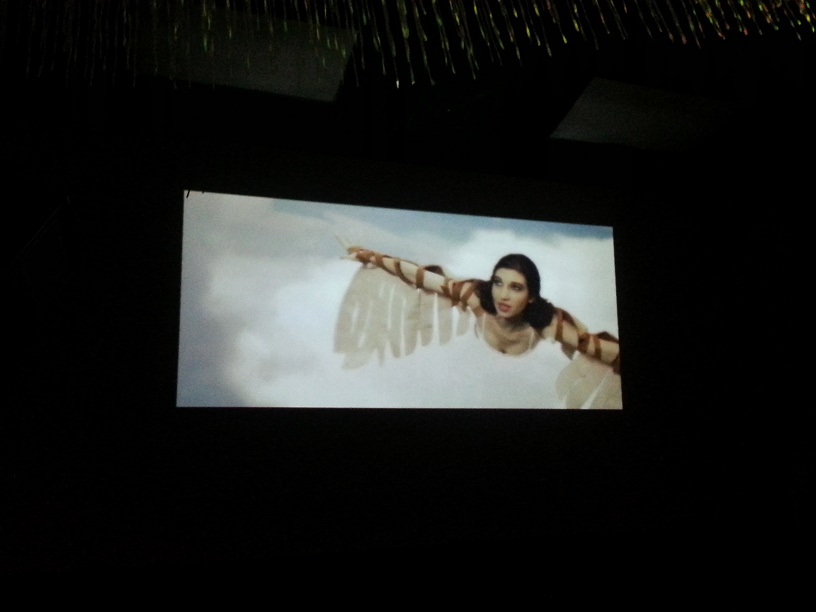 I had followed Alyson Greenfield for a few years now, and I’ve always known her as an experimental musician, combining instruments like the synthesizers, glockenspiel, piano, jazzy vocals and the occasional rap. As I get to know Alyson more, further Music Historian – which now welcomes many different artists from all corners of the country – and study the music consumer in greater depth, I realize that Alyson’s music might be a favorite among lovers of surrealist music.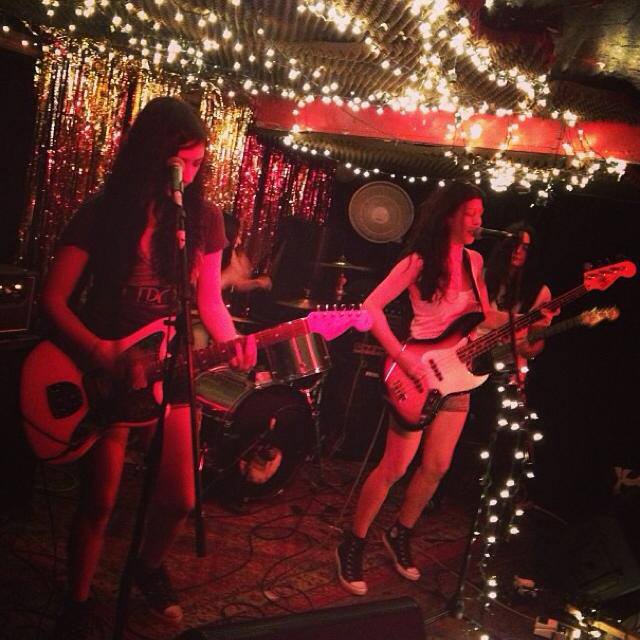

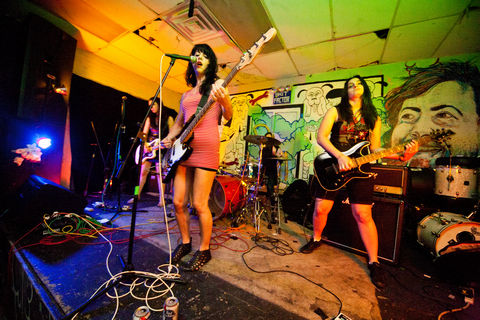
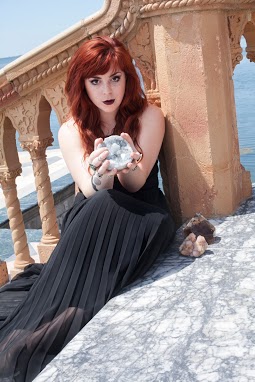
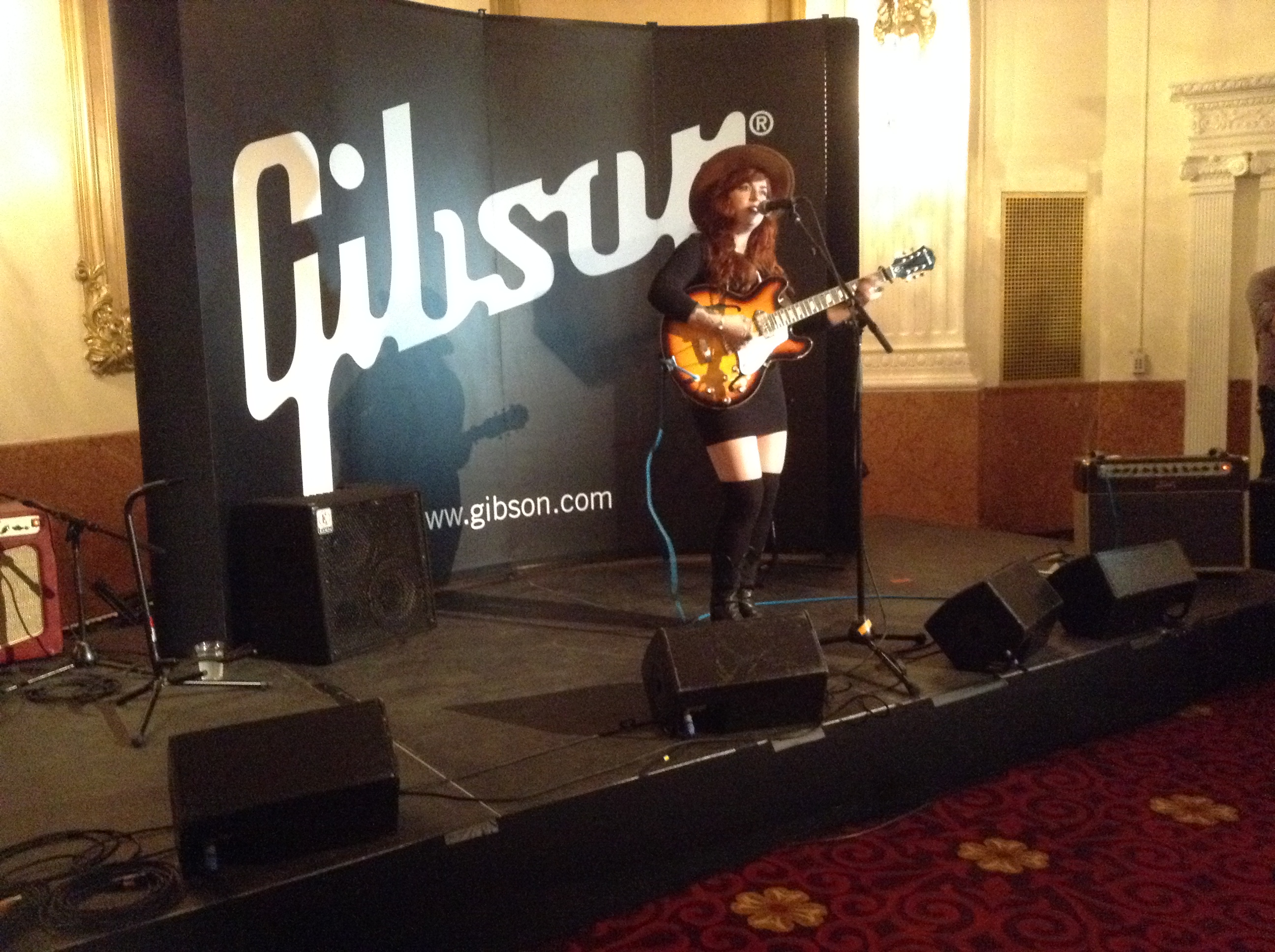
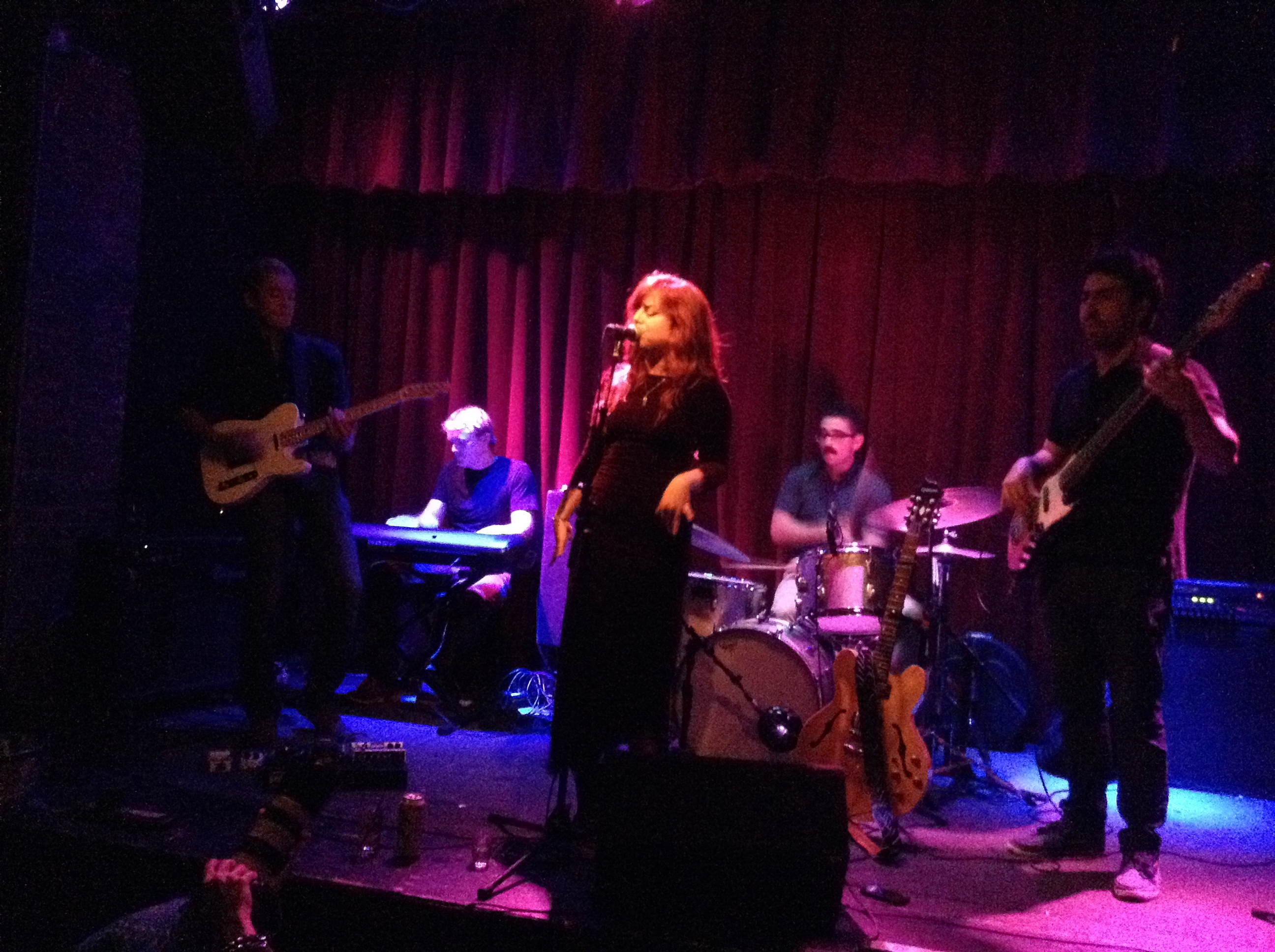
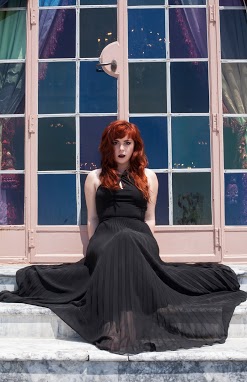
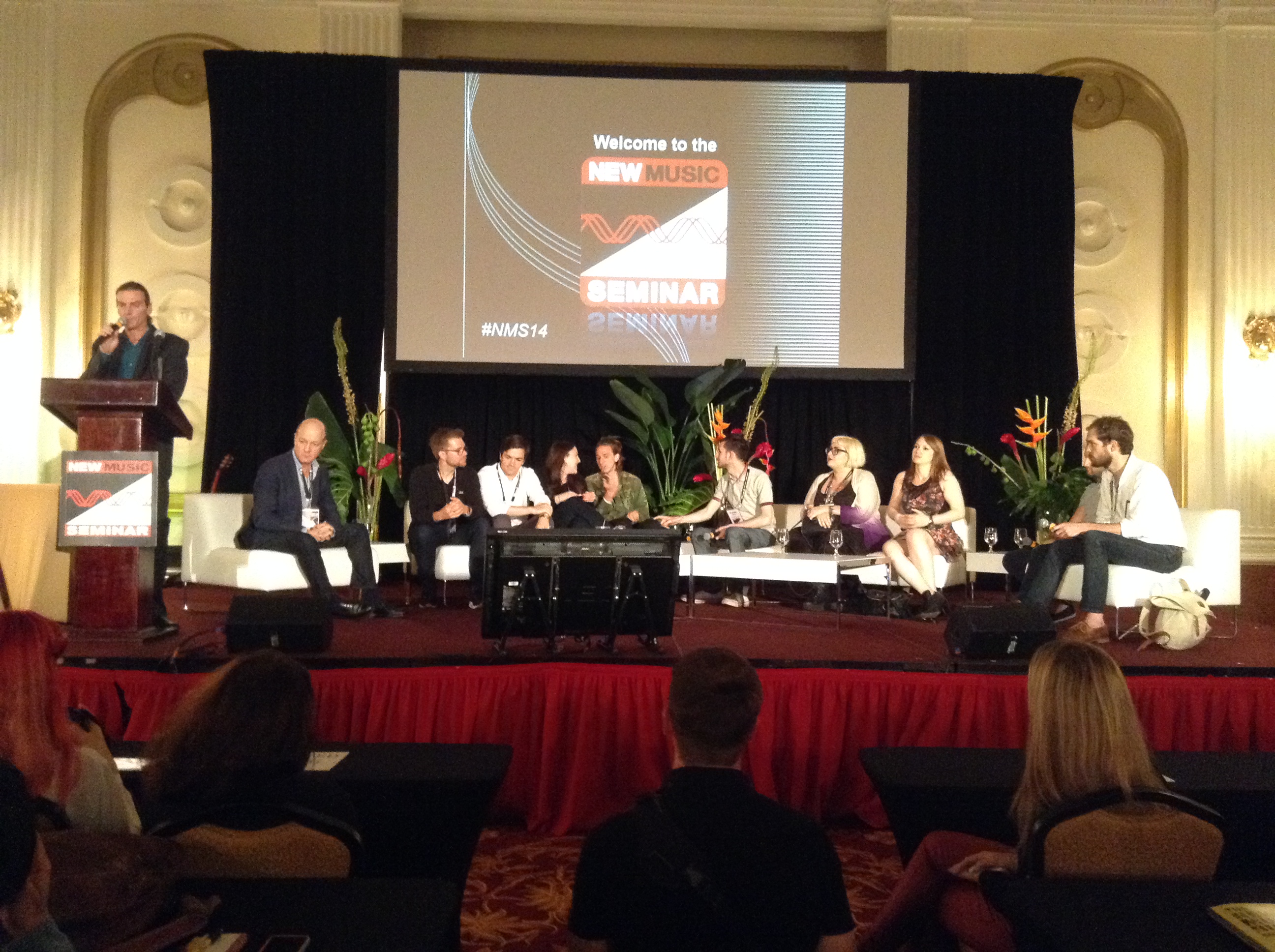
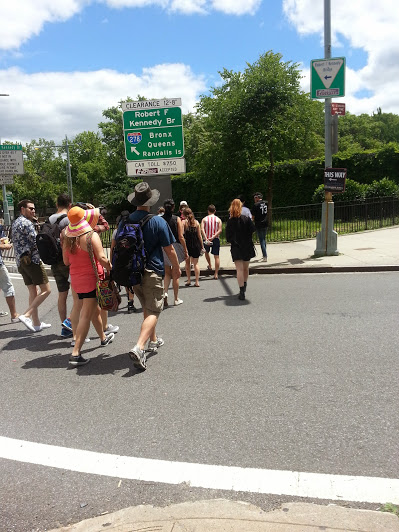

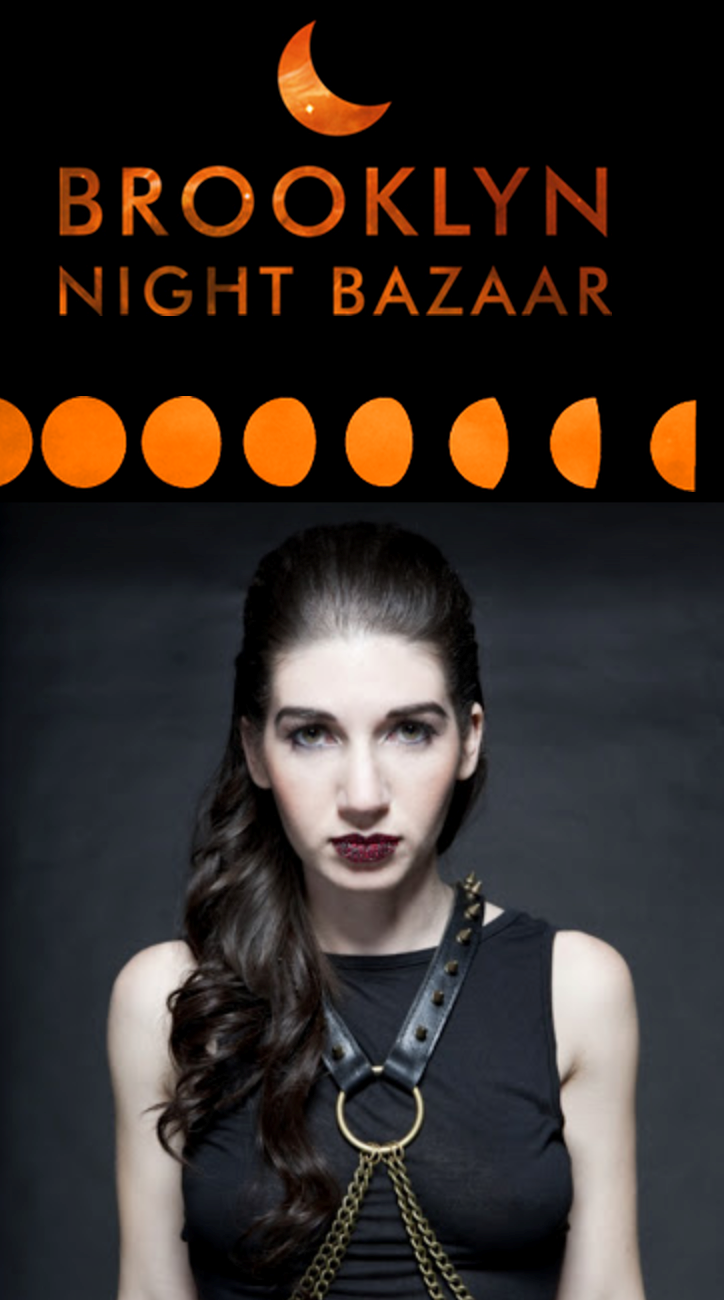
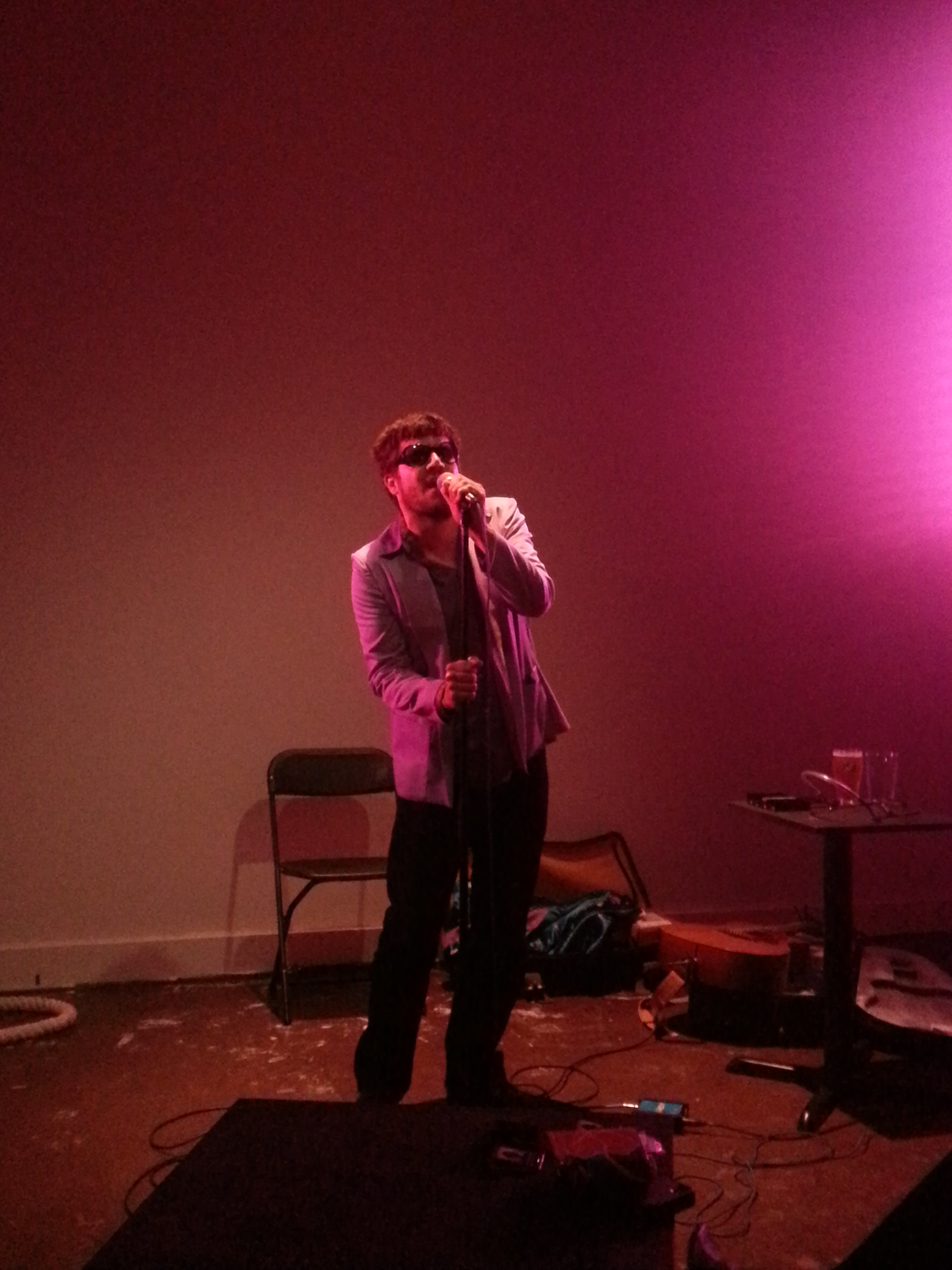
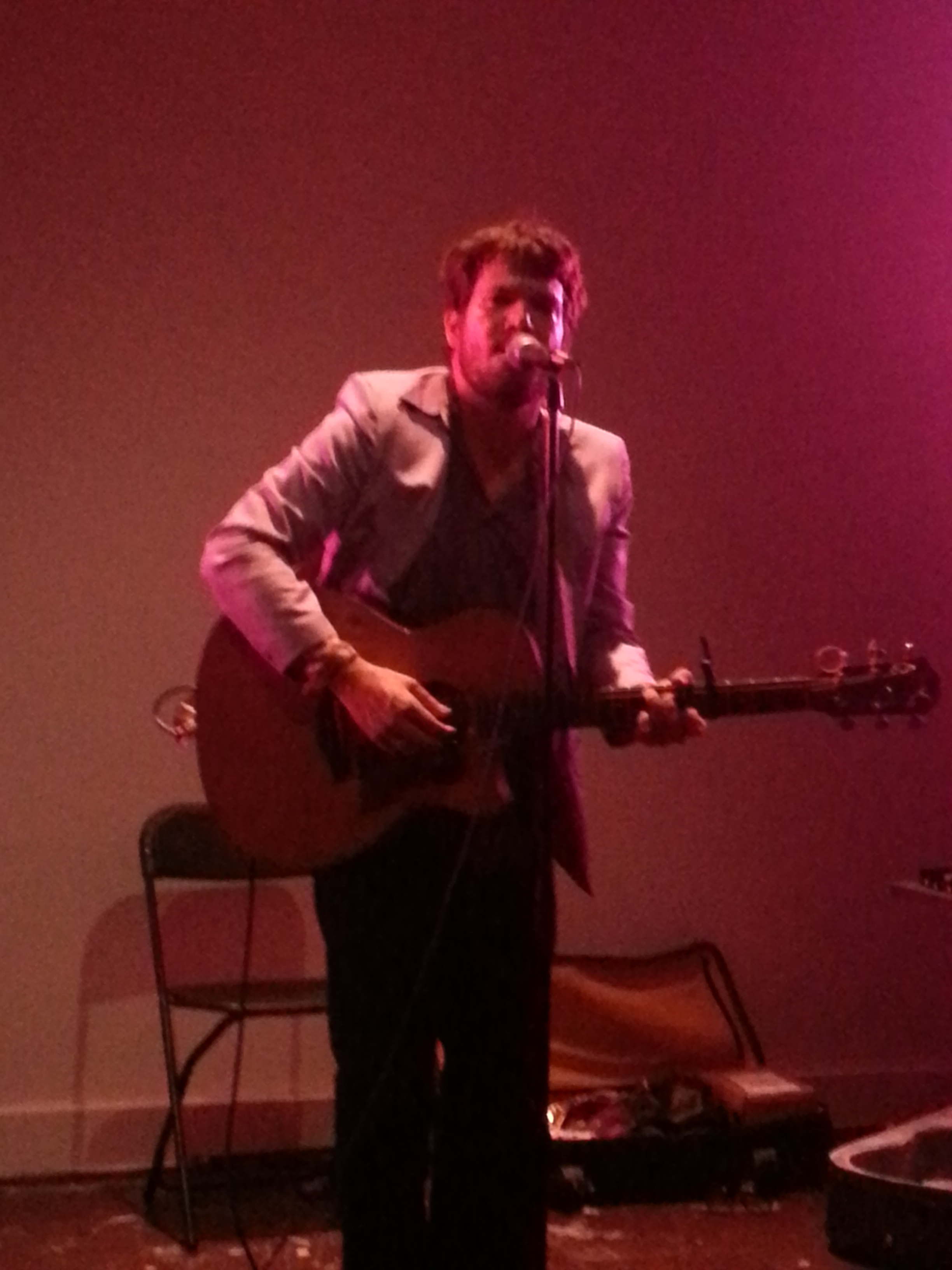
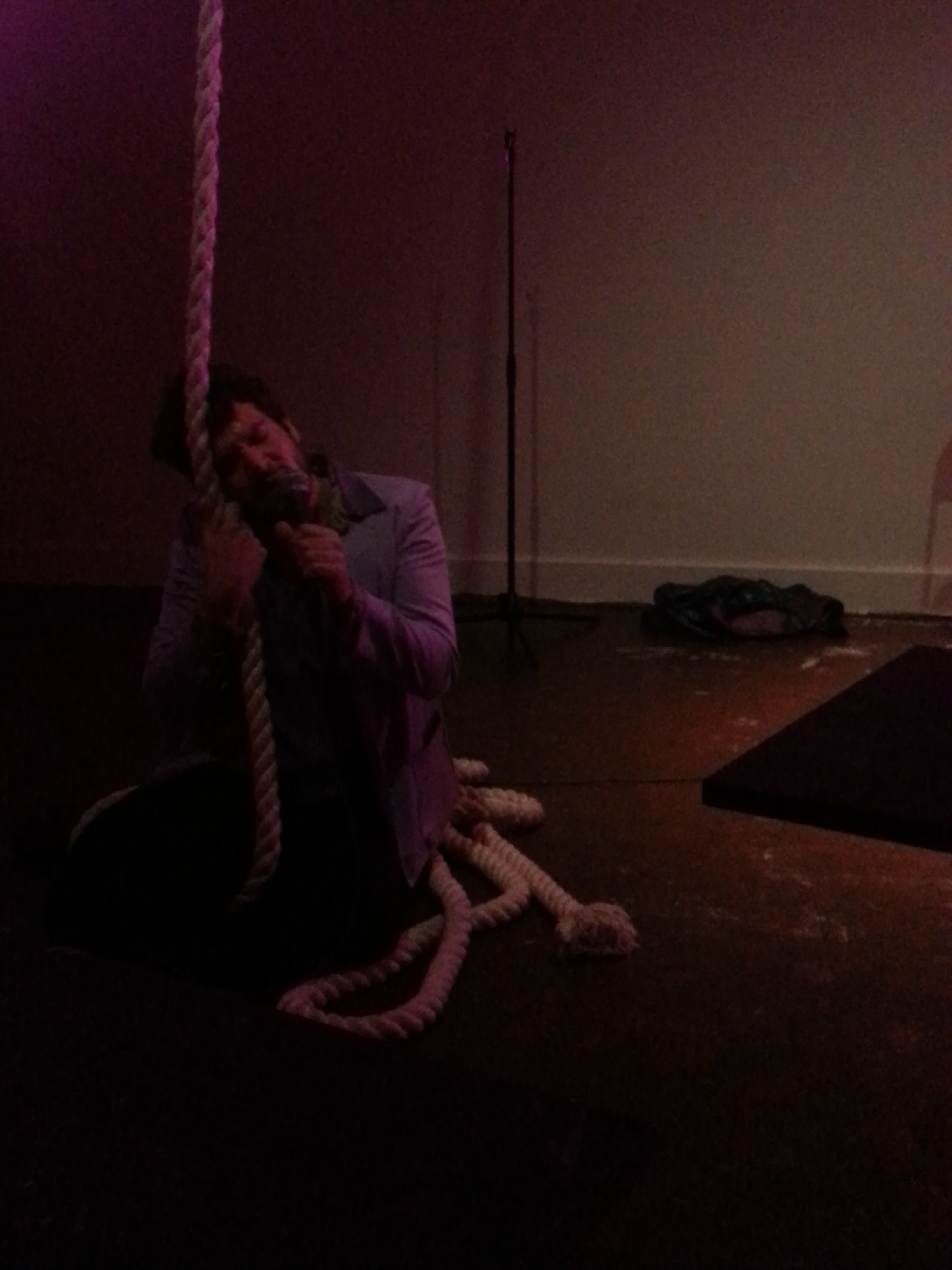

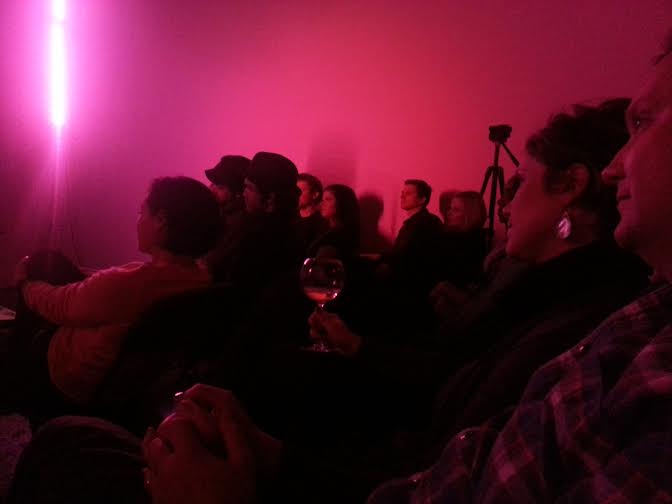


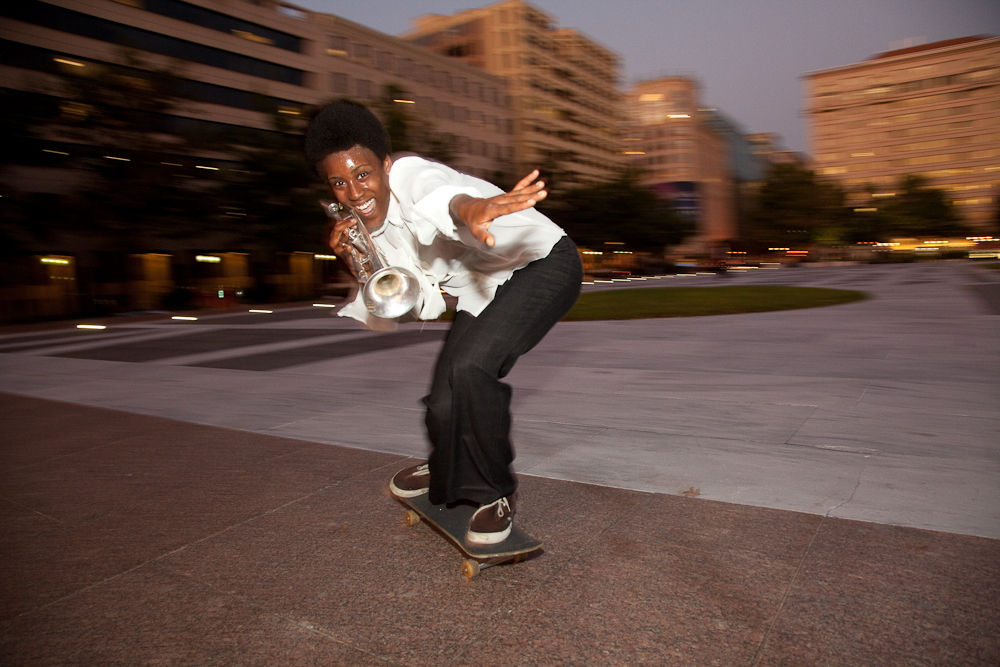
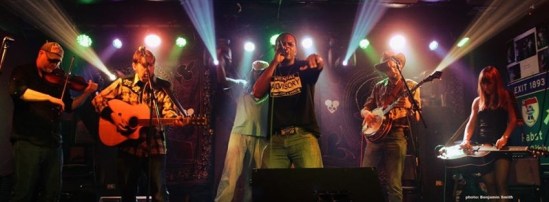
 “Once I saw how many people were into this one particular project, I thought of making an actual band. I had been involved in the Brooklyn country scene and knew many musicians. I actually recruited people through word-of-mouth, and I was able to pick out a couple of them and bring them on board.”
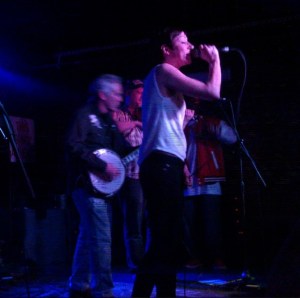 “The song “Big Branch” is based on actual events that happened,” explained Rench. “When I brought the song to Tomasia, she took it upon herself to research the rural mining issues that affect many communities in Kentucky. Tomasia put herself into that role and wrote from that perspective so well.
 “When I work with the rappers and bluegrass players, we find a lot of common ground musically. Both these genres share improvisational elements and each has a different word to describe these elements. For example, during a jam session, we stand around in a circle and take turns improvising. In hip-hop, this is called a cipher while in bluegrass, it’s called a pick. Basically, they are both the same thing.
 “As a genre, Bluegrass is very virtuosic-focused and lacks an exciting performance element. Traditionally, it involves people fine-tuning their skills and ability to perform accurately and passionately. Bluegrass performers typically stand in one place and focus on their instrument and playing something amazing.
 “I think the music industry has perpetuated this idea that there is white music and black music, rural music and urban music. Each style has a separate chart, separate radio stations, separate websites and separate everything, as though separate groups of people listened to these genres. That’s not the case.
 In Part One of my conversation with
  Based on my experience, The
  Hear; Let's Listen